

Last Updated: November 18, 2026
Quick Summary
Extreme cold layering means dressing in three adjustable layers: a moisture-wicking base layer, an insulating mid layer, and a windproof, water-resistant shell. Start slightly cool, open vents or remove the mid layer before you sweat, and add warmth back before you cool down.
- Never wear cotton as a base layer, because it soaks up sweat and chills you fast.
- Merino wool suits stop-start outings and multi-day trips, while synthetics suit hard, sweaty effort.
- Down insulation is warmest for its weight but fails when wet; synthetic keeps working when damp.
- Strip a layer before a burst of activity, not during it, to avoid sweating through your base.
- Size the outer layer over the layers beneath it, since a snug shell compresses the mid layer's trapped air.
Table of Contents
- Why Extreme Cold Layering Beats One Thick Jacket
- The Three-Layer System: Base, Mid and Shell Explained
- Choosing a Base Layer for Extreme Cold
- Merino Wool vs Synthetic Base Layer: Which Wins
- The Best Mid Layer for Cold Weather: Fleece, Down or Synthetic
- The Best Outer Layer for Winter Wind and Wet
- Layering for Activity Levels, Stop-Start Outings and Wind Chill
- Hands, Feet, Head and Fit: The Details That Decide Comfort
- Frequently Asked Questions
Why Extreme Cold Layering Beats One Thick Jacket
One thick jacket traps sweat against your body, and that sweat is what makes you cold.
Here's the core idea. A single bulky jacket gives you one setting: hot or nothing. Layers give you a dial.
Cold injury is a real risk, not a hypothetical.
Below, we'll show you exactly how to build a layering system that works from a frosty morning campsite to a stop-start motorcycle commute.
The Three-Layer System: Base, Mid and Shell Explained
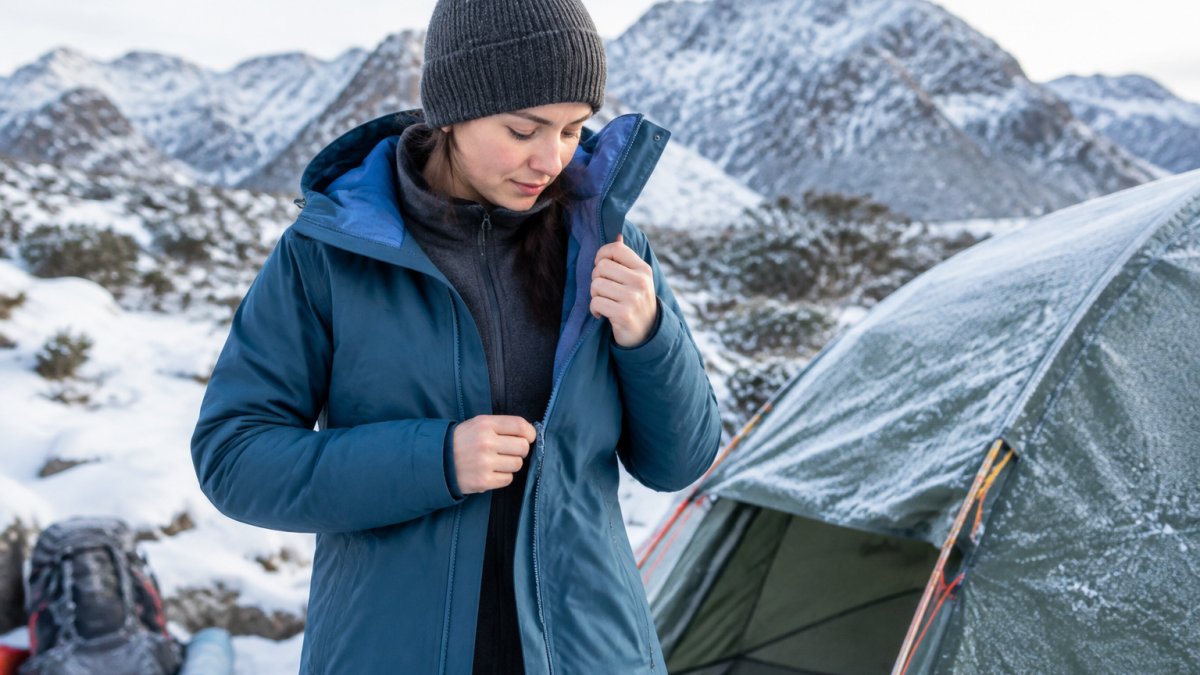
The three-layer system is a way of dressing in three jobs: a base layer that moves sweat away, a mid layer that traps heat, and an outer shell that blocks wind and rain. Each layer has one job, and each can be adjusted on its own.
What Each Layer Does
- Base layer: Sits against your skin and moves moisture away. Never cotton.
- Mid layer: Traps warm air. Fleece, wool or a light puffy jacket.
- Shell layer: Blocks wind and precipitation while letting sweat escape.
If you want the full system walked through in more depth, our layering guide covers the base, mid and shell in detail.
Choosing a Base Layer for Extreme Cold
The best base layer for extreme cold is a fitted, moisture-wicking thermal top and thermal bottoms made from merino wool or a synthetic fabric. Fit matters as much as material: a loose base layer can't move sweat off your skin, and a tight one restricts you.
What most guides miss is the bottoms.
Watch out: cotton next to your skin is the single most common layering mistake. It soaks up sweat, holds it, and then chills you fast once you stop moving.
Merino Wool vs Synthetic Base Layer: Which Wins
Merino wool suits stop-start outings and multi-day trips, while synthetics suit hard, sweaty effort. Merino regulates temperature well and resists odour, and synthetics dry faster.
Merino wool is a natural fibre that manages moisture and warmth without the itch of older wool. Synthetic fabric is engineered to wick sweat quickly and dry fast.
Here's how they compare in practice:
| Feature | Merino Wool | Synthetic |
|---|---|---|
| Dries fast | Moderate | Fast |
| Odour control | Excellent | Fair |
| Warm when damp | Yes | Limited |
| Cost | Higher | Lower |
| Best for | Camping, commuting | Running, hiking hard |
For a multi-day camp where you can't wash gear, we'd pick merino. For a sweaty day hike, synthetic.
The Best Mid Layer for Cold Weather: Fleece, Down or Synthetic
The best mid layer for cold weather depends on how wet your conditions get. Fleece is breathable and forgiving, down insulation is the warmest for its weight but fails when wet, and synthetic insulation keeps working when damp.
A midweight layer handles most cold days. A heavyweight layer is for genuine below-freezing temperatures or long static periods.
Fleece pants and a fleece mid layer are a practical choice for campers, as they dry fast and layer easily under a shell. If you're choosing an insulated vest or a puffy jacket for the mid slot, our insulated jacket guide breaks down the options by warmth and weight.
The Best Outer Layer for Winter Wind and Wet
The best outer layer for winter is a windproof, water-resistant shell that fits over your mid layer without compressing it.
Pit zips can help you vent heat on a climb without removing the shell.
A rain shell handles most conditions. For sustained wet weather, you want fully waterproof rather than water-resistant. Just don't expect a shell to add warmth; it blocks the elements and lets the mid layer do the insulating.
Layering for Activity Levels, Stop-Start Outings and Wind Chill
Layering for activity levels means dressing for the heat you will generate, not the temperature on the forecast. A common rule among experienced outdoor people is to start slightly cool, since being comfortably warm while standing still can leave you sweaty once you start moving hard.
The adjustment sequence
Treat your layers as a dial you turn in a fixed order, so you never have to stop and think:
- Open the shell's pit zips and front zip first. This dumps heat without removing insulation, and it keeps rain and wind off your torso.
- Remove the mid layer once you are still too warm with the shell open. Stow it where you can reach it without unpacking.
- Add the mid layer back the moment you stop or the effort drops, before you feel cold, not after. Cooling after exertion is fast, and damp base layers accelerate it.
- Put the shell back on when wind picks up or precipitation starts, even if you are warm, because wind chill strips heat far faster than still air.
Why wind chill changes the maths
Wind chill is not a different kind of cold; it is the rate at which your skin loses heat as moving air strips the thin warm boundary layer around your body. That is why a windproof shell does more work than most people realise: it protects that boundary layer, so your mid layer's trapped air stays trapped. On a still day a midweight fleece may be enough; in exposed wind at the same thermometer reading you will want the shell over it and possibly a warmer mid.
The stop-start problem
Hunters, anglers, photographers, field workers and motorcycle commuters share the same pattern: long still stretches punctuated by bursts of movement, often in wind. The failure mode is overheating during the burst, sweating through the base layer, then chilling rapidly during the next still period. Three habits fix most of it:
- Strip a layer before the burst, not during it. Anticipate the climb, the stalk or the walk-in and shed insulation at the bottom.
- Carry a dry spare base layer for long static days. A damp base layer is the main reason people feel cold when they stop.
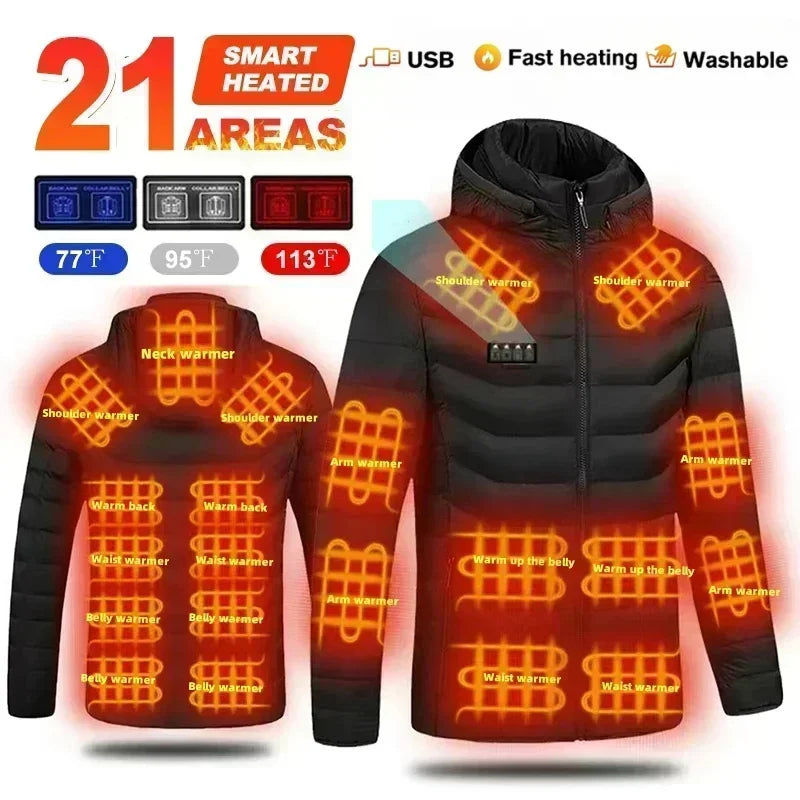
- Add active warmth for the still periods. A heated layer lets you switch warmth on when you are stationary and off when you move, which suits stop-start outings better than adding another passive layer you then have to remove. Our USB heated jacket has 21 heated zones across the neck, shoulders, arms, back, waist and belly, runs off a power bank (not included), and offers three heat settings.
Motorcycle commuters face the same wind chill at speed, with the added problem that they cannot easily stop to adjust. Our motorcycle commuting guide covers layering for that specific situation, and it is worth reading before you buy.
The rule to carry away: dress for the effort, adjust before you sweat, and add warmth back before you cool.
Hands, Feet, Head and Fit: The Details That Decide Comfort
Extremities decide whether a layering system works. When your core cools, your body narrows blood vessels in your hands, feet and face, so those areas can get cold first and need their own protection. Protecting hands, feet and face calls for the same attention to fit and insulation as the rest of your layers, especially when planning a layering system for winter work.
Hands
- Liner gloves under insulated gloves. The liner manages moisture and adds a little warmth; the outer glove does the insulating and blocking. Together they beat one thick glove because you can remove the outer layer to use your fingers without exposing bare skin.
- Mittens beat gloves in extreme cold. Fingers share one warm air pocket instead of four separate ones, which is why mittens are warmer for the same insulation. Use gloves when you need dexterity and mittens when you do not.
- Keep a spare pair dry. Wet gloves are worse than no gloves because they conduct heat away fast.
Feet
- Fit is the whole game. Insulated boots need room to wiggle your toes. If your toes touch the front or the boot feels snug with thick socks, circulation is being cut and your feet will be cold regardless of insulation.
- Size up for thick socks and liners. Try boots on with the socks you will actually wear, late in the day when feet are slightly larger.
- Manage sweat. A moisture-wicking liner sock under a warm outer sock moves sweat away; a single thick cotton sock soaks it and chills you. Change socks at stops on long days.
- Keep the boot dry. Damp insulation loses much of its warmth, so dry boots overnight and carry spare socks.
Head and face
- A warm hat and a neck gaiter cover the two areas people most often leave exposed. A gaiter can be pulled over the chin and nose when wind picks up and dropped when you are working hard.
- A balaclava is the practical choice for sustained wind, snow or below-freezing exposure, because it seals the gap between hat and collar where heat escapes and wind gets in.
- Goggles or wraparound eyewear matter in wind-driven snow, when eyes water and vision drops.
Fit and layering compatibility
Fit is not cosmetic; it is a performance variable.
- Size the outer layer for the layers beneath it. If you plan to wear a puffy jacket under a shell, try the shell on over that jacket, not over a T-shirt.
- Check range of motion at the shoulders, elbows and knees with every layer on. Restricted movement means you generate less heat and tire faster.
- Watch the transitions. Cuffs, collars, waistbands and boot tops are where gaps open and where bunched fabric traps moisture. Overlap them deliberately: gaiter over collar, glove cuff over sleeve, trouser over boot top.
If you want heated options for extremities and a closer look at fit, our heated clothing range covers jackets and vests built for cold.
Watch out: shivering that will not stop, numb fingers or toes, and confusion or slurred speech can be cold-injury warning signs. Get warm and dry as soon as possible.
Extreme cold doesn't have to end your trip or your commute.
Frequently Asked Questions
What are the three layers of clothing for cold weather?
A base layer sits against your skin and moves sweat away, a mid layer traps warmth with fleece, down or synthetic insulation, and an outer shell blocks wind and rain. Worn together, they let you add or remove warmth as conditions change. In extreme cold, many people add a second mid layer or an insulated vest, giving four working layers without one bulky jacket that traps sweat.
Is merino wool or synthetic better for a base layer?
Merino wool regulates temperature well, resists odour over multi-day trips and still insulates when slightly damp. Synthetics dry faster, cost less and suit high-sweat activities like skiing or hard hiking. For campers who wear the same top for days, merino is often the better pick. For riders and anyone doing stop-start work, a synthetic base layer for extreme cold dries quickly between outings and is easier to wash and rewear.
How many layers should you wear in freezing weather?
Three is the starting point: base, mid and shell. Below roughly minus 5°C, or when wind chill is severe, add a fourth layer such as an insulated vest or a second fleece. The right number is the one you can adjust. Start slightly cool, add a layer before you stop moving, and remove one before you start sweating, because damp clothing loses insulation fast.
How do you keep your hands, feet and head warm in extreme cold?
Treat extremities as their own layering problem. Wear a thin liner glove under an insulated waterproof glove, use wool or synthetic socks with room to wiggle your toes, and cover your head with a beanie plus a neck gaiter you can pull over your face. Insulated boots with a thick sole keep cold off the ground. Budget Roo's 21-area USB heated jacket, priced at $79.95, has heated zones across the neck, shoulders, arms, back, waist and belly.
