

Table of Contents
- What to Look for in the Best Heated Clothing for Winter
- How to Choose a Heated Jacket for Your Needs
- Heated Vest Battery Life: What to Expect
- Heated Clothing Safety Standards and Overheat Protection
- Heated Vests vs Heated Jackets: Which Is Better?
- Budget Roo Heated Jacket: A Practical Option
- Frequently Asked Questions
Last Updated: September 12, 2026
What to Look for in the Best Heated Clothing for Winter
Finding the best heated clothing for winter comes down to three things: where the heat panels sit, how long the battery lasts, and whether the outer shell can handle real weather. Get those right and you will stay warm on a frosty morning commute or a cold night at camp.
Most heated garments fail on one of two fronts: patchy heat distribution or a battery that quits after an hour. Understanding the specs before you buy saves you from both.
Heat Zones and Coverage
Heat zones are the areas where heating elements sit inside the garment. A jacket with 21 heated zones spreads warmth across the chest, back, shoulders and collar, while a basic vest might only cover the upper back.
More zones do not automatically mean better warmth. What matters is placement. Panels over the kidneys and upper back trap heat where your body loses it fastest. Look for carbon fiber elements, which distribute heat evenly and resist creasing better than older wire systems.
Power Source and Runtime
Most heated clothing runs on a rechargeable lithium-ion battery, usually a 5V or 7.4V pack that slots into a hidden pocket. Runtime depends on three factors: battery capacity (measured in amp-hours), the voltage of the system, and which heat setting you use.
A common mistake is buying a jacket with a big battery but a low-output element. The pack lasts for hours, yet the jacket never feels genuinely warm. Match a higher voltage system with a decent capacity pack and you get both heat and runtime.
How to Choose a Heated Jacket for Your Needs
Choosing a heated jacket starts with your use case, not the spec sheet. A rider needs windproofing and a snug fit; a camper wants breathability and easy layering.
Fit and Layering
Heated jackets work best as a mid-layer or a light outer shell, not squeezed under a tight raincoat. The heating elements need a little air gap to push warmth toward your body. If the jacket is too tight, you feel the wires and lose the benefit.
Sizing up by one gives you room for a thermal base layer underneath. For a layering system, pair a moisture-wicking base layer with the heated jacket and a windproof shell on top.

Weather Resistance
Water-resistant and windproof fabrics keep the heat in and the weather out. A softshell outer handles light rain and blocks wind, which matters more than you might expect: wind strips warmth faster than cold air alone.
Check the seams and zips. Cheap jackets leak at the collar and cuffs, and no amount of heating power fixes a draft.
Heated Vest Battery Life: What to Expect
Heated vest battery life typically runs from two to eight hours on a single charge, but that headline range hides a lot. The number you actually get depends on four variables working together: battery capacity, system voltage, the heat setting you choose, and the ambient temperature you are standing in.
Cold itself is the hidden drain. A lithium-ion pack that delivers six hours at 15°C might only manage four at 0°C, because low temperatures temporarily reduce the pack's usable capacity and increase internal resistance. If you are buying for genuine winter conditions rather than a cool autumn morning, plan for the bottom of the advertised range, not the top. Retaining body heat at the extremities remains just as vital as managing battery efficiency, which is why pairing your thermal gear with high-quality handcrafted winter beanies provides the most reliable defense against the biting chill.
Battery Capacity and Voltage
Capacity is measured in amp-hours (Ah) or milliamp-hours (mAh), and voltage tells you the power output. A 7.4V system with a 10,000mAh pack delivers more sustained warmth than a 5V pack of the same capacity, because the higher voltage pushes more current through the heating elements (britannica.com).
A useful shorthand: watt-hours (Wh) tell you the true energy stored, and you get that by multiplying voltage by amp-hours. A 7.4V, 10,000mAh (10Ah) pack holds roughly 74Wh. A 5V, 10,000mAh pack holds only 50Wh. Same label, very different stamina.
USB-C charging has become the standard on newer garments, cutting recharge time to a couple of hours and letting you top up from a power bank or car charger. Older barrel-plug systems are slower and often need a proprietary adapter you cannot replace easily.
| Heat Setting | Typical Runtime | Best For |
|---|---|---|
| High | 2-3 hours | Short commutes, stationary use |
| Medium | 4-5 hours | All-day wear, mixed activity |
| Low | 6-8 hours | Layering under a shell, mild cold |
Treat those figures as a guide for a mid-capacity pack in mild cold. Drop a size in capacity or add wind, and every row shortens.
Reusing Power Tool Batteries Instead of Buying Proprietary Packs
This is the angle most buying guides skip, and it matters if you already own cordless tools. Several heated jacket and vest systems are sold as "bare" garments that run off the same slide-on battery platform as a drill, grinder or impact driver. If you are already invested in a common 18V platform, you may be able to heat your jacket from a pack you own rather than paying for a second proprietary battery and charger.
The trade-offs are real and worth understanding before you commit:
- Weight. An 18V tool battery is far heavier than a slim 7.4V apparel pack. Fine in a vest pocket on a worksite; less pleasant on a long hike.
- Bulk. Tool packs are physically larger and can print through a fitted outer layer.
- Voltage mismatch. A tool battery runs at a much higher voltage than the garment's elements are designed for, so you need a step-down adapter or a garment explicitly rated for that platform. Never wire a pack directly to elements rated for a lower voltage.
- Runtime. A large tool pack can run a garment for many hours on low, which suits tradespeople working outdoors all day.
For tradespeople, the maths often favours using what is already in the ute. For everyone else, a dedicated slim pack is lighter and easier to live with.
Charging and Maintenance
Charge the battery fully before first use and top it up after every trip. Lithium-ion packs lose capacity if stored flat for months, so keep the pack at roughly half charge during the off-season and store it somewhere cool and dry rather than in a hot shed (energy.gov).
Avoid charging a cold pack straight off a frosty worksite. Let it return to room temperature first; charging a frozen lithium-ion cell stresses it and shortens its life.
Most heated garments are machine washable once you remove the battery and disconnect the wiring. Follow the care label, use a gentle cycle, and never tumble dry the elements. A spare battery is the single cheapest upgrade you can buy, it doubles your runtime for a fraction of the cost of a second jacket.
Heated Clothing Safety Standards and Overheat Protection
Heated clothing safety comes down to two systems: the electronics that control the heat, and the lithium-ion battery that feeds them. Reputable garments build in overheat protection that cuts power when a zone gets too hot, usually via a thermal cut-out or a controller that limits current once a temperature threshold is reached. Cheap garments sometimes skip this entirely, which is why a jacket that feels suspiciously hot on high is a warning sign rather than a feature.
What Overheat Protection Actually Does
A well-designed heated garment typically layers several safeguards:
- Thermal cut-out. A sensor or bimetallic switch that breaks the circuit if an element exceeds a safe temperature.
- Current limiting. The controller caps how much current reaches the elements, preventing a runaway hot spot.
- Short-circuit protection. Fuses or electronic protection inside the battery pack that trip if wiring is damaged or pinched.
- Auto shut-off. Many controllers power down after a set period of inactivity, so a jacket left on in a locker does not cook itself.
Look for a controller with clearly marked heat levels rather than a single on/off button. Variable control is both more comfortable and safer, because you are not forcing the elements to run flat out the whole time.
Electrical Safety and Lithium Battery Rules
Electrical goods and lithium batteries carry their own handling and charging rules. In practice, that means checking three things before you buy:
- A compliant charger. The charger should carry the appropriate regulatory markings for the Australian market and match the pack's voltage exactly (eess.gov.au). A mismatched charger is one of the most common causes of battery failure.
- Clear instructions. A reputable supplier provides charging guidance, storage advice and warnings about damaged packs.
- A removable, replaceable battery. Sealed-in packs are harder to inspect and impossible to replace when they age.
If you are unsure whether a product meets current requirements, verify the details with the supplier before buying. A garment that cannot tell you which regulator its charger complies with is a garment to walk away from.
Charging Safely at Home
Most battery incidents happen during charging, not during use. A few habits reduce the risk substantially:
- Charge on a hard, non-flammable surface, not on a bed, carpet or pile of clothes.
- Do not leave a pack charging unattended overnight as a matter of routine.
- Stop using a pack immediately if it swells, gets unusually hot, smells odd or shows corrosion on the terminals.
- Never charge a pack that has been crushed, punctured or dropped onto a hard surface.
- Use the charger that came with the system rather than a generic substitute.
Travel and Airline Rules
Lithium-ion batteries must travel in carry-on luggage, not checked baggage, and spare packs need terminal protection, tape over the contacts or a dedicated battery case. Capacity limits apply, so check your airline's rules before you fly, and check them again close to departure, because carriers update their policies.
A practical routine for flying with heated gear:
- Remove the battery from the garment and pack it in your carry-on.
- Keep spare packs in their original case or a fire-resistant battery bag.
- Do not pack a battery in a bag you intend to check, even if the garment itself is checked.
- Carry the garment's documentation if the pack's capacity is close to an airline limit.
This is one of the most overlooked details when buying heated gear for a trip, and it is the difference between arriving warm and having a battery confiscated at the gate.
Heated Vests vs Heated Jackets: Which Is Better?
Heated vests win for layering and everyday wear; heated jackets win for standalone warmth in harsh conditions. The right pick depends on how you plan to use it.
A vest is lighter, cheaper and easier to wear under a coat. It heats your core without bulk, which suits commuting and casual use. A jacket adds sleeves, a collar and weather protection, so it works as your only outer layer on a cold campsite.
Budget Roo Heated Jacket: A Practical Option
Our 21 Areas Electric Winter Heated Jacket is built for riders, campers and anyone facing a cold morning, with 21 smart heated zones and a USB-rechargeable system for both men and women.
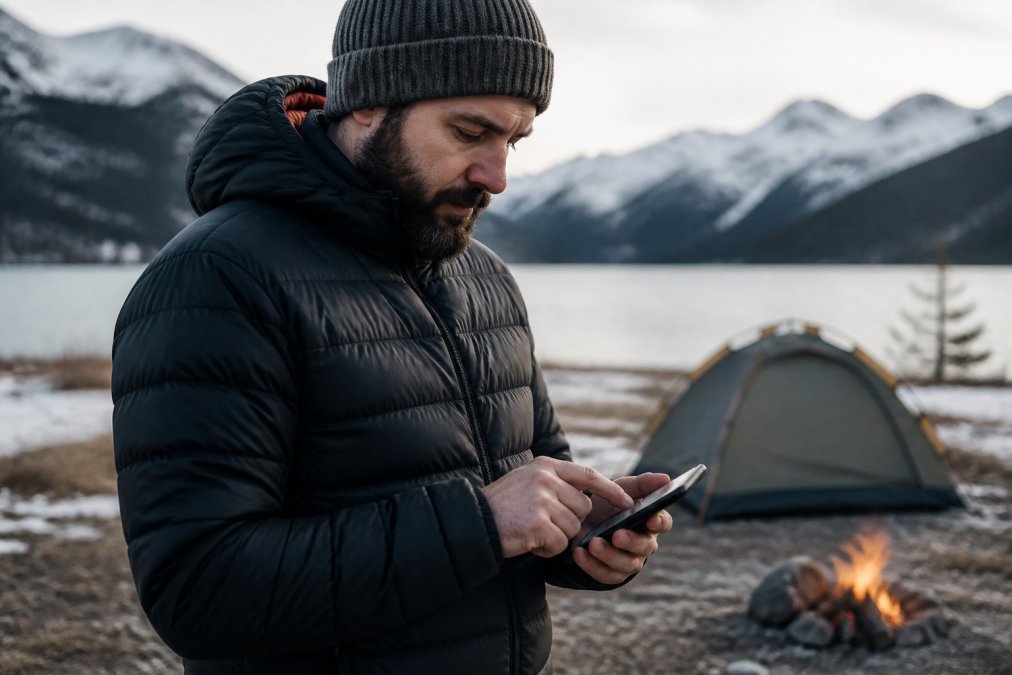
The wide heat coverage across the chest, back and shoulders means you feel warmth quickly rather than waiting for one small panel to spread. At $79.95, it sits well below what most heated jackets cost, which fits how we stock gear: durable, reliable and priced so families can afford it.
You can shop the heated jacket here.
Frequently Asked Questions
What is the best heated jacket in Australia?
The best heated jacket depends on your needs. Look for one with multiple heat zones, a reliable lithium-ion battery, and water-resistant materials. For a budget-friendly option, the Budget Roo Heated Jacket offers 21 heating areas and USB-C charging at $79.95. Always check for overheat protection and Australian safety compliance before buying.
Which is better, a heated vest or a heated jacket?
A heated vest works well for layering under a waterproof shell and offers more freedom of movement. A heated jacket provides warmth to your arms and torso, making it better for standalone wear. For motorcycle commuting or camping, a jacket with windproof and water-resistant properties often performs better in cold, wet conditions.
How long does a heated jacket battery last?
Battery life depends on the capacity and heat setting. Most heated vests and jackets run between 3 and 10 hours on a full charge. Higher heat settings drain the battery faster. Look for models with USB-C charging and spare batteries if you plan long days outdoors. A 10,000mAh battery typically provides around 6 hours on medium heat.
How do you wash heated clothing safely?
Always remove the battery before washing. Most heated clothing is machine washable on a gentle cycle with cold water, but check the care label first. Use a laundry bag to protect heating elements and wiring. Never wring or tumble dry on high heat. Air drying is safest to maintain the integrity of the carbon fiber heating elements and insulation.
Cold weather does not have to end your outdoor plans. Whether you are riding to work, fishing at dawn or camping through a frosty night, the right heated gear keeps you comfortable without stretching your budget. Budget Roo stocks heated jackets and outdoor essentials built for real conditions, backed by the practical value our customers count on. Get started with Budget Roo and stay warm all winter.