

Table of Contents
- What Makes a Great Insulated Jacket for Winter
- Down vs Synthetic Insulation Guide
- Winter Layering System for Outdoors
- Key Features to Look for in Winter Jackets
- How to Wash a Puffer Jacket and Extend Its Life
- Heated Jackets: Modern Warmth Technology
- Choosing the Right Insulated Jacket for Your Needs
- Conclusion
Last Updated: August 30, 2026
What Makes a Great Insulated Jacket for Winter
The difference between staying warm and shivering through winter comes down to three things: insulation type, construction quality, and fit. A great insulated jacket for winter balances all three. The best insulated jackets for winter trap warm air close to your body without adding bulk. They shed moisture, resist wind, and move with you instead of restricting movement. They also last. A quality jacket should perform after five winters, not fall apart after one season of regular use.
What separates a mediocre winter jacket from a great one isn't always obvious at first glance. The construction details, how the insulation is sewn, where the seams are sealed, how the hood fits, determine whether you stay genuinely warm or just feel warm for the first hour. Below, we'll show you exactly what to look for and why it matters in real conditions.
Down vs Synthetic Insulation Guide
Down Insulation: Warmth-to-Weight Champion
Down insulation uses the fluffy layer beneath duck and goose feathers, and it remains the gold standard for warmth-to-weight ratio. A down-filled jacket keeps you warm with less bulk than synthetic alternatives, which matters if you're hiking, mountaineering, or just want a jacket that packs into a small bag.
Down's strength is its efficiency. The tiny air pockets in down clusters trap heat exceptionally well, and a thin layer of down can match the warmth of a thicker synthetic layer. This is why mountaineers and ultralight backpackers favour down, every gram counts when you're carrying your gear uphill.
The catch is moisture. Down loses nearly all insulating power when wet (peer-reviewed research). If you're caught in heavy rain or snow, a down jacket becomes a liability. This is why down works best in dry, cold conditions or paired with a waterproof outer shell you actually wear. Hydrophobic down, treated to repel water, improves this weakness but adds cost and doesn't fully solve the problem.
RDS certified down ensures the down came from ethically raised birds, which matters if you care about sourcing transparency.
Synthetic Insulation: Durability and Moisture Resistance
Synthetic insulation mimics down's structure using polyester fibres. It performs well when wet, maintains most of its insulating power even damp, and costs less than quality down. For Australian conditions, where winter often means damp cold rather than dry alpine cold, synthetic insulation often makes more practical sense.
Synthetic jackets also tolerate regular washing better than down. Down requires careful cleaning to avoid clumping; synthetic bounces back from the washing machine. If you wear your jacket frequently and need to wash it every few weeks, synthetic wins on practicality.
The trade-off is weight and packability. Synthetic insulation requires more volume to match down's warmth. A synthetic jacket rated for the same temperature as a down jacket will be noticeably bulkier. For car camping or casual outdoor trips, this doesn't matter. For backpacking, it does.
Modern synthetic insulation like Primaloft and Thermolite perform far better than older polyester fills, but even the best synthetics don't quite match premium down on warmth-to-weight. What they do offer is reliability in wet conditions and lower cost, making them ideal for commuters, casual campers, and anyone who values durability over ultralight performance.
Winter Layering System for Outdoors
A single insulated jacket, no matter how good, isn't enough for serious cold. The best insulated jackets for winter work as part of a layering system: base layer, insulating mid-layer, and waterproof outer shell.
Your base layer should wick moisture away from skin. Merino wool or synthetic base layers pull sweat away so it can evaporate or transfer to the next layer. Cotton holds moisture against your skin and makes you colder, avoid it entirely.
The insulated mid-layer is where your puffer jacket sits. This is the layer that traps warm air. Down, synthetic, or hybrid insulation all work here; the choice depends on conditions and personal preference.
The outer shell protects from wind and rain. It should be waterproof with sealed seams, not just water-resistant. A DWR (durable water-repellent) coating helps water bead off, but it eventually washes away and needs reapplication. Sealed seams keep water from creeping through stitching.
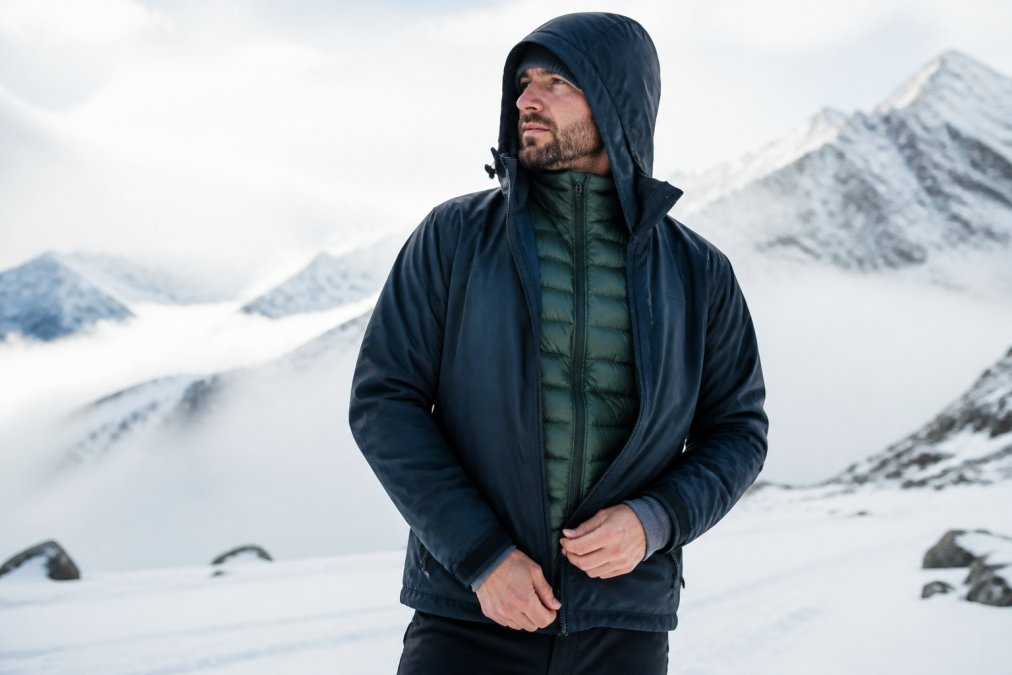
Fit matters in a layering system. Your outer shell should be roomy enough to fit the insulated jacket underneath without compressing the insulation. Compressed insulation loses effectiveness because the air pockets collapse. This is why oversizing the outer layer slightly actually improves warmth.
Adjust your layers based on activity level. If you're hiking uphill, you'll generate heat and might shed the outer shell. If you're sitting stationary, you need all three layers. The flexibility of layering beats a single heavy jacket every time.
Key Features to Look for in Winter Jackets
Water Resistance and Weatherproofing
Water resistance and waterproofing aren't the same thing. Water-resistant fabrics slow water penetration but eventually let water through. Waterproof fabrics block water entirely, at least until the coating degrades.
For Australian winter, waterproof is essential. Coastal regions see regular rain; inland areas get occasional heavy downpours. A water-resistant jacket might handle a light drizzle but fails in actual winter weather.
Look for sealed seams. This is the critical detail most people miss. Even waterproof fabric lets water seep through stitching unless the seams are sealed with tape or adhesive. Budget jackets often skip this step to save cost, which means water finds its way in through the seams rather than the fabric itself.
DWR coating helps water bead off the surface rather than soaking in. It's not waterproofing, it's a protective layer that extends the life of the waterproof layer underneath. DWR eventually washes away with regular use and needs reapplication every 12-18 months if you wear the jacket frequently.
Breathability and Moisture Management
A waterproof jacket that traps all your sweat inside is worse than a water-resistant jacket that lets moisture escape. Breathability matters, especially if you're active in your jacket.
Breathable membranes like Gore-Tex allow water vapour (sweat) to escape while blocking liquid water. This is why Gore-Tex jackets cost more, the technology genuinely works. Budget alternatives exist, but they're not quite as effective.
Ventilation features help too. Pit zips (underarm zippers) let you open vents without removing the jacket, which helps release excess heat and moisture during active movement. A well-designed hood that doesn't restrict vision and doesn't fill with cold air when you move also improves breathability by reducing the urge to remove the jacket.
Weight-to-Warmth Ratio and Packability
Weight matters if you're carrying your jacket. A lightweight insulated jacket that packs small lets you bring more gear or reduce overall pack weight. For casual use, weight is irrelevant.
Fill power measures down quality. Higher fill power (800+) means better insulation from less down, which translates to lighter jackets. This is why premium down jackets cost more, they use higher quality down that's more efficient.
Packability refers to how small the jacket compresses. Down compresses dramatically because the insulation itself is compressible. Synthetic doesn't compress as well, which is why synthetic jackets are bulkier even when equally warm.
For backpacking, a packable down jacket is ideal. For commuting or casual camping, packability barely matters. Match the jacket's characteristics to how you'll actually use it.
How to Wash a Puffer Jacket and Extend Its Life
Proper care extends a puffer jacket's life from three years to seven or more. Most people wash their jackets wrong, which damages the insulation and reduces warmth.
Use cold water and a gentle cycle on your washing machine. Hot water damages synthetic insulation and can cause down to clump. Add a small amount of mild detergent, regular laundry detergent can strip the DWR coating, so specialist down wash is worth the extra cost if you own a down jacket.
Never dry-clean a puffer jacket. The chemicals used in dry cleaning destroy the insulation and the DWR coating. Machine washing followed by proper drying is always better.
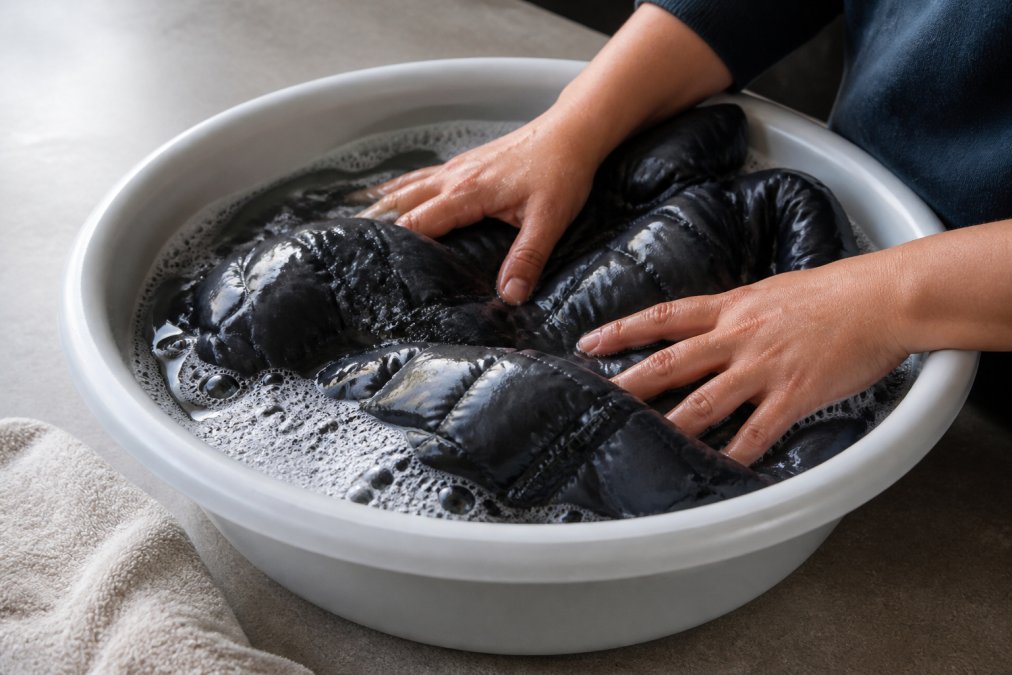
Drying is critical. Tumble dry on low heat with dryer balls or clean tennis balls to agitate the insulation as it dries, which prevents clumping and restores loft. This step takes 45-60 minutes but makes a real difference in jacket performance after washing.
Air drying alone takes too long and risks mildew. Low-heat tumble drying with agitation is the method that works.
Reapply DWR coating every 12-18 months if you wear the jacket regularly (AATCC insights on water repellency). You can buy spray-on or wash-in DWR treatments. This keeps water beading off the surface and reduces the load on the waterproof membrane underneath.
Store your jacket loosely in a breathable bag during off-season, not compressed in a vacuum seal. Compression storage for extended periods can permanently damage insulation loft, especially in down. A cotton storage bag lets the jacket breathe while protecting it from dust.
Heated Jackets: Modern Warmth Technology
Heated jackets use battery-powered heating elements to add warmth without bulk. They're practical for specific uses: motorcycle commuting, fishing, outdoor work, or anyone with circulation issues that make them feel cold faster than others.
Budget Roo Pty Ltd's 21 Areas Electric Winter Heated Jacket ($79.95) uses USB-powered heating across multiple zones, chest, back, shoulders, and sleeves. This distributed heat approach works better than single-point heating because it mimics the body's natural warmth distribution.

Heated jackets work best as a mid-layer under a windproof outer shell. The shell traps the heat the jacket generates. Without a shell, wind carries the heat away and the jacket becomes inefficient.
Battery life varies by heat setting. High heat might last 4-6 hours; low heat extends to 8-10 hours. This limits heated jackets to day trips or commutes, not multi-day expeditions.
The advantage is precise temperature control. If you're cold, turn up the heat. If you warm up, dial it back. This flexibility beats traditional insulation for people who struggle with temperature regulation or work in variable conditions.
Heated jackets also work over regular clothes without requiring a full layering system, which makes them convenient for quick trips outside or commutes where you don't want to dress in full winter gear.
Choosing the Right Insulated Jacket for Your Needs
The best insulated jacket for winter depends on how you'll use it. A mountaineer's jacket differs from a commuter's jacket differs from a casual camper's jacket.
Ask yourself three questions: How cold does it need to be? How wet will conditions get? How much do you value packability?
If you're in genuine alpine cold (below -10°C), you need serious insulation, down or premium synthetic. If you're in coastal or inland Australian winter (typically 5-15°C), moderate insulation works. If conditions are damp, synthetic or hydrophobic down makes sense. If you're dry, regular down is efficient.
For backpacking and hiking, packability and weight matter. Choose down if budget allows, synthetic if you need durability and water resistance.
For commuting and casual outdoor use, choose synthetic. It tolerates regular washing, performs when damp, and costs less. You don't need ultralight performance for a car-to-office commute.
For work or activity in cold conditions where you can't remove layers, a heated jacket adds practical warmth. It works best paired with a traditional insulated jacket as a system rather than alone.
Consider your climate specifically. Australian coastal winters rarely drop below 10°C; inland and southern regions see colder temperatures. Match your jacket's insulation rating to your actual conditions, not to worst-case scenarios. An overly warm jacket becomes a burden on warmer days.
Choosing the right insulated jacket for winter comes down to matching the jacket's characteristics to how you'll actually use it. The best insulated jackets for winter combine quality insulation, sealed waterproof construction, and a fit that works with your layering system. Budget Roo Pty Ltd stocks options for Australian conditions. Start with your intended use, backpacking, commuting, casual camping, then prioritise the features that matter for that activity. The right jacket, properly maintained, will keep you warm for years.
=== FAQ ANSWERS (audit these too, same rules) ===
[1] Q: What is the difference between down and synthetic insulation in winter jackets? A: Down insulation offers superior warmth-to-weight ratio and compressibility, making it ideal for packable jackets. Synthetic insulation performs better when wet, resists moisture absorption, and costs less. Down provides higher loft and heat retention; synthetic is more durable for frequent washing and active use in damp conditions.
[2] Q: How do I choose the right insulated jacket for Australian winter conditions? A: Consider your activity level, expected temperatures, and moisture exposure. For casual outdoor use, synthetic insulation offers practicality and affordability. For backcountry camping, down's packability and warmth density matter more. Check the fill power (higher numbers indicate better insulation), ensure water-resistant DWR coating, and verify that the jacket fits well over mid-layers without restricting movement.
[3] Q: Are puffer jackets waterproof or just water-resistant? A: Most puffer jackets are water-resistant, not fully waterproof. They feature DWR (durable water-repellent) coatings that shed light rain and moisture. For extended wet conditions, pair your puffer jacket with a waterproof outer shell.
[4] Q: What should I look for in a winter layering system? A: Build your system with three layers: a moisture-wicking base layer to pull sweat away from skin, an insulated mid-layer (like a puffer jacket) for heat retention, and a windproof, water-resistant outer shell. Choose insulation with good breathability to prevent condensation buildup. Ensure articulated fit and helmet-compatible hoods for outdoor activities. Drawcord adjustments at the hem and hood help seal warmth.
Frequently Asked Questions
What is the difference between down and synthetic insulation in winter jackets?
Down insulation offers superior warmth-to-weight ratio and compressibility, making it ideal for packable jackets. Synthetic insulation performs better when wet, resists moisture absorption, and costs less. Down provides higher loft and heat retention; synthetic is more durable for frequent washing and active use in damp conditions.
How do I choose the right insulated jacket for Australian winter conditions?
Consider your activity level, expected temperatures, and moisture exposure. For casual outdoor use, synthetic insulation offers practicality and affordability. For backcountry camping, down's packability and warmth density matter more. Check the fill power (higher numbers indicate better insulation), ensure water-resistant DWR coating, and verify that the jacket fits well over mid-layers without restricting movement.
Are puffer jackets waterproof or just water-resistant?
Most puffer jackets are water-resistant, not fully waterproof. They feature DWR (durable water-repellent) coatings that shed light rain and moisture. For extended wet conditions, pair your puffer jacket with a waterproof outer shell.
What should I look for in a winter layering system?
Build your system with three layers: a moisture-wicking base layer to pull sweat away from skin, an insulated mid-layer (like a puffer jacket) for heat retention, and a windproof, water-resistant outer shell. Choose insulation with good breathability to prevent condensation buildup. Ensure articulated fit and helmet-compatible hoods for outdoor activities. Drawcord adjustments at the hem and hood help seal warmth.
This article was written using GrandRanker