

Last Updated: November 12, 2026
Quick Summary
Sustainable camping gear is equipment designed, built and disposed of to limit its environmental load across its whole working life, judged on material source, working life, repair and spare parts, and end of life. A tent made from recycled fabric that leaks after one wet trip is not sustainable, so verify named materials and certifications rather than trusting unregulated terms like eco-friendly or green.
- Recycled polyester and nylon reduce demand for virgin petrochemical feedstock, but the real gain depends on how long the item lasts.
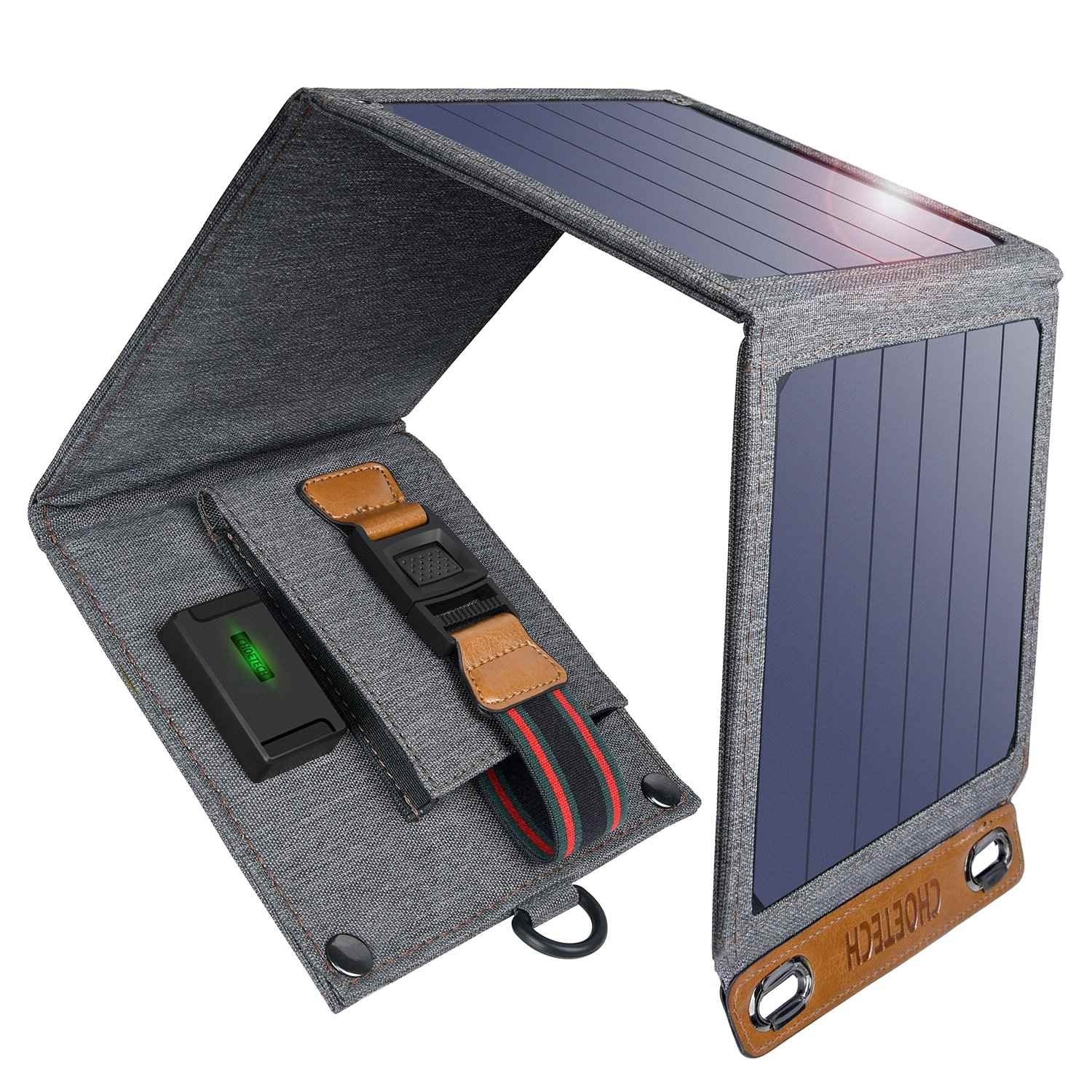
- The CHOETECH SC004 14W foldable solar charger costs $89.95, folds to roughly 15cm square and weighs 360g.
- Buy used metal hard goods like cookware, stoves, poles and camp furniture, where condition is visible and failures are obvious.
- A used canvas tent at $300 lasting eight seasons costs less per season than a $120 synthetic tent replaced every two years.
- Replace the highest-impact items first: shelter, then cooking and waste, then charging, and repair before you replace.
Table of Contents
- What Makes Camping Gear Genuinely Sustainable
- Eco-Friendly Camping Gear: Shelters, Sleep and Furniture
- Solar Charging and Lighting That Cuts Generator Reliance
- Biodegradable Camping Products for Washing, Waste and Personal Care
- Second-Hand Camping Equipment: When Buying Used Beats New
- Durable Budget Camping Gear: Total Cost Over Its Working Life
- Build Your Low-Impact Camping Kit at Budget Roo
- Frequently Asked Questions
What Makes Camping Gear Genuinely Sustainable
Sustainable camping gear is equipment designed, built and disposed of in a way that limits its load on the environment across its whole working life, not just the day you buy it. Here is the honest version: a product earns the label through materials, lifespan and end-of-life handling together.
Most guides get this wrong. They treat "eco-friendly" as a materials checkbox, then recommend gear that fails in two seasons and ends up in landfill. A tent made from recycled fabric that leaks after one wet trip is not sustainable. It is waste with good marketing.
We judge sustainable camping gear options for eco conscious travelers on four things:
- Material source: recycled, natural or upcycled content, and whether the maker says where it came from
- Working life: stitch quality, pole strength, UV resistance, repairability
- Repair and spare parts: can you replace a pole section, a zip puller, a buckle?
- End of life: take-back schemes, recyclability, or a genuine second-hand market
Keep those four in mind and the rest of this guide becomes a filtering exercise rather than a shopping spree.
Materials That Matter: Recycled, Natural and Upcycled
Recycled materials are the most common sustainability claim in camping gear, and the one you should verify hardest.
Natural fibres behave differently. Canvas, wool, hemp and jute biodegrade at end of life and often outlast synthetics in shelters and furniture, at the cost of weight.
Upcycled gear takes a third path, turning offcuts, retired sails or surplus fabric into new products. It is genuinely lower impact, but supply is unpredictable, so treat upcycled items as a bonus rather than a plan.
Watch out: "eco-friendly" and "green" are not regulated terms on gear packaging, so a label alone proves nothing. Look for a named material and a named certification instead.
Eco-Friendly Camping Gear: Shelters, Sleep and Furniture
Eco-friendly camping gear starts with the shelter, because that is where the most material and the most landfill risk sit. A well-chosen tent or hammock used for a decade beats three cheap replacements, every time.

For shelter, compare materials before you compare prices. Our guide to canvas versus polyester tents covers how each handles sun, rain and long-term wear, which matters more than the label on the box.
Sleep is the next big decision. A sleeping bag and mat that keep their loft and insulation for years are the sustainable choice, even if they cost more up front.
Furniture follows the same logic. A sturdy camp table or stool with replaceable parts outlasts a folding bargain that fails at the hinge.
Solar Charging and Lighting That Cuts Generator Reliance
Solar charging can reduce camp fuel use, and it removes the noise and emissions of a generator. A folding panel plus a power bank covers phones, lights and cameras for a typical trip.
Two practical picks from our range:
- CHOETECH SC004 14W USB Foldable Solar Powered Charger ($89.95): a SunPower panel converting up to 21.5-23.5% of sunlight, folding to roughly 15cm square and weighing 360g. Two eyelets let you hang it off a backpack while walking.
- BigBlue Portable 28W SunPower Solar Panel Charger ($230.95): three USB ports and a 24% conversion rate, better suited to charging several devices at once on a base camp.
If you are still weighing configurations, our comparison of the best solar panel setups for off-grid camping and our guide to which affordable solar chargers actually work for camping go deeper. Ready to buy? The CHOETECH foldable solar charger is the simplest way to start.
For lighting, a rechargeable lantern paired with that panel means no disposable batteries all trip.
Biodegradable Camping Products for Washing, Waste and Personal Care
Biodegradable camping products handle the messiest part of low-impact camping: what you put into the ground and the water. Soap, shampoo, toothpaste and dish liquid all end up in the soil or a waterway, so what they contain matters, and so does how you use them.
Use biodegradable soap and shampoo well away from streams, rivers and lakes. Biodegradable does not mean harmless to aquatic life, and it is not the same as fast-breaking in cold water.
How to verify a biodegradable claim rather than trust it:
- Look for a named standard, not a word. "Biodegradable" is not a regulated term on gear and personal-care packaging, so a label alone proves nothing. Check whether the maker names a recognised test or certification and whether it applies to the product as sold or only to one ingredient.
- Check the concentration. A concentrated soap that needs a few drops per wash has a lower total impact than a dilute one used by the capful, even if both carry the same claim.
- Prefer solid and refillable formats. Shampoo bars, soap bars and refill pouches cut packaging weight and the number of plastic bottles carried in and out.
- Treat "eco-friendly" and "green" as marketing until proven otherwise. Ask for the material or ingredient source and the certification body behind the claim.
For waste, a zero-waste camping kit usually means:
- Reusable plates, cups and cookware instead of disposables
- Compostable garbage bags for food scraps, used only where composting is actually available
- Reusable water bottles and a hydration system rather than bottled water
- Eco-friendly toilet paper and a proper waste plan for remote sites
Watch out: compostable bags and compostable cutlery often need commercial composting conditions to break down. Since waste-conscious camping also means carrying supplies without adding unnecessary bulk, Art By Earth fits naturally into a broader effort to travel with reusable gear.
Personal care is where most kits leak. Refillable bottles, solid shampoo bars and a small washing tub cut packaging dramatically.
Second-Hand Camping Equipment: When Buying Used Beats New
Second-hand camping equipment is often the most sustainable purchase available, because the environmental cost of manufacturing has already been paid and you are extending a product's working life.
Start with a decision framework rather than a bargain hunt. Ask three questions in order:
- How often will you use it? Once or twice a year points to borrowing or renting. Four or more trips a year usually justifies owning, and buying used is the lowest-impact way to own.
- Does the item have a safety or performance critical function? Helmets, climbing hardware, gas stoves and anything with a pressure vessel should be bought new or from a seller who can show service history, because hidden fatigue is not visible in a listing photo.
- Can it be repaired or re-waterproofed? If spare parts and reproofing products exist, used is low risk. If the item is sealed and disposable, used just moves the landfill date closer.
Buy used, confidently, when the item is:
- Metal or hard goods: cookware, stoves, lanterns, poles, pegs, chairs and camp furniture, where condition is visible and failures are obvious
- Canvas shelters: inspect seams, proofing and pole sleeves, but canvas repairs well and can be re-waxed or re-proofed
- Cast iron and enamel: near-indestructible with care, and often better made than current budget equivalents
- Refurbished gear: items returned to the maker or a specialist refurbisher for new zips, seams or coatings, which gives you a known condition rather than a hopeful description
Be cautious with sleeping bags and mats, where loft and insulation are hard to judge from a listing, and with anything whose waterproof coating has started to peel.
Watch out: a seller's claim that an item is "as new" is not evidence.
The other half of this is buying versus renting or borrowing. For a one-off trip, borrowing a tent from a friend beats buying anything.
Finally, compare the total cost of ownership, not the sticker price.
Durable Budget Camping Gear: Total Cost Over Its Working Life
Durable budget camping gear is not the cheapest option on the shelf; it is the one with the lowest cost per year of use. That distinction changes which products are actually good value.
Run the numbers this way: divide the purchase price by the seasons you expect to use it. A cheap tent replaced every two years costs more over six years than a better-built one bought once. Our guide to whether cheap camping gear is worth it walks through that comparison in detail.
| Gear type | What to check | Why it matters |
|---|---|---|
| Tent or hammock | Seam tape, pole material, UV rating | Determines usable seasons |
| Sleeping bag | Fill type, loft recovery, zip quality | Cheap fill loses insulation permanently |
| Cookware | Base thickness, handle rivets | Thin bases warp and cook unevenly |
| Solar charger | Panel efficiency, port protection | Cheap panels degrade fast |
| Furniture | Hinge and joint construction | First failure point on budget items |
Best for: campers who go at least four times a year and want gear that lasts. Skip if: you camp once a year and can borrow or rent instead.
Build Your Low-Impact Camping Kit at Budget Roo
Building a low-impact kit is a sequence, not a shopping spree. Replace the highest-impact items first: shelter, then cooking and waste, then charging. Buy durable, buy second-hand where it makes sense, and repair before you replace.
That is where we can help. Budget Roo stocks camping, cooking, fishing and caravan gear, including the foldable solar chargers and hammock covered above. One customer said their swag "provides great insulation and comfort while camping," and another described our LPG gas oven as "fantastic" with a price that is "unbeatable."
Get started with Budget Roo and build a camping kit that lasts for seasons, not one trip.
Frequently Asked Questions
Is second-hand camping gear a good option?
Often, yes. Tents, sleeping pads and cookware that have been used lightly usually have plenty of life left, and buying second-hand keeps gear out of landfill. Check the seams, zips and pole joints before you commit, and ask how the item was stored. Avoid anything with mildew smells or delamination on waterproof coatings. Second-hand camping equipment works best for hard goods like pots, stoves and furniture, where there are no fabrics to wear out.
Are biodegradable camping products safe to use outdoors?
They are safer than conventional soaps, but biodegradable does not mean leave-no-trace. Wash well away from waterways and scatter grey water through soil rather than tipping it into a creek. Choose products labelled biodegradable and phosphate-free, and use only what you need. For dishes, wipe food residue into your rubbish bag first, then rinse. That keeps the soap load on the environment low even when the product itself breaks down.
What materials should I look for in sustainable camping gear?
Look for recycled polyester and nylon in tents and bags, natural fibres such as wool, hemp and bamboo in clothing and blankets, and upcycled fabrics where the listing names the source. Repairability matters as much as the material: replaceable zips, patch kits and spare pole sections extend life. A recycled fabric tent that fails in two seasons is worse than a durable one you keep for ten years, so weigh construction and warranty alongside the material claim.
How do I choose durable camping gear on a budget?
Work out cost per trip rather than sticker price. A $250 solar panel charger used on every trip for five years costs less per outing than a $90 unit replaced twice. Prioritise the items you use most, buy simple designs with fewer failure points, and check weight ratings and fabric deniers in the listing. Budget Roo stocks options such as the CHOETECH 14W foldable solar charger at $89.95 and the BigBlue 28W panel at $230.95, so you can match spend to how often you camp.
