

Last Updated: November 21, 2026
Quick Summary
Choose remote controlled LED lights for caravans by checking four things before you buy: the fixture must be rated for 12V DC, its current draw in amps or watts, the control type (remote, wall switch or app), and the mounting style matched to your ceiling or awning. Buy the remote and receiver as a matched set on the same frequency and protocol, because a remote sold separately usually won't pair with another brand's receiver.
- An RF remote works better than infrared in a van because it doesn't need line of sight.
- For an awning or exterior mount, check the IP rating and don't settle for an unrated strip.
- Keep total run length and current within the cable's rated capacity, or go one size larger.
- Add up the watts of every light and divide by 12 to get amps, then fit a slightly higher fuse.
- Reversing polarity on a 12V LED can destroy the driver instantly, so mark your leads first.
Table of Contents
- 12V LED Lights for Caravans: What Fits and What to Check First
- 12V Wireless Lighting Control: How Receivers and Remotes Work Together
- LED Dimmers and Remotes for Caravans: Brightness, Colour and Night Modes
- Caravan Awning Lights: Weather Resistance and Outdoor Placement
- Step-by-Step Installation and Wiring Safety
- Power Draw and Battery Runtime: Crunching the Numbers
- Remote Compatibility and Troubleshooting
- Shop Remote Controlled LED Lights at Budget Roo
- Frequently Asked Questions
12V LED Lights for Caravans: What Fits and What to Check First
Most caravan lighting upgrades fail before a single wire is run, because the buyer picks lights before checking what the van can actually support. At Budget Roo Pty Ltd, we see this constantly: people fall for a remote controlled LED light set, get it home, and discover the remote won't pair or the current draw is too high for their wiring. Getting the basics right first saves you a return and a wasted weekend.
A 12V LED light is a low-voltage fixture designed to run directly from a caravan's 12V DC system, typically drawing far less current than a halogen equivalent while producing more usable light. Before buying remote controlled LED lights for caravans, check four things:
- Voltage: the fixture must be rated for 12V DC, not 240V mains.
- Current draw: measured in amps or watts, this decides how long your battery lasts.
- Control type: remote, wall switch, or app. Remote needs a receiver.
- Mounting style: surface, recessed, or strip, matched to your ceiling or awning.
The Australian Competition and Consumer Commission product safety guidance is worth a read on electrical goods sold online, since cheap imports sometimes skip proper certification.
12V Wireless Lighting Control: How Receivers and Remotes Work Together
Wireless lighting control sounds complicated. It isn't. A wireless controller is a small receiver wired between your 12V supply and the light, which listens for radio signals from a paired remote and switches or dims the output accordingly.
An RF remote can be used rather than infrared, because RF doesn't need line of sight. That matters in a van where lights sit behind cabinets or around corners. A typical receiver handles on/off, dimming, and sometimes colour, all from one handset.
What most buyers miss: the remote and receiver must be on the same frequency and protocol. A remote sold separately usually won't talk to a receiver from another brand. Buy them as a matched set, or confirm the pairing spec before you order.
LED Dimmers and Remotes for Caravans: Brightness, Colour and Night Modes
Brightness control is where a cheap lighting upgrade turns into a genuinely comfortable van. A dimmer lets you drop output from full brightness down to a soft amber glow for late-night reading without waking the family.
Look for these modes when comparing LED dimmers and remotes for caravans:
- Stepless dimming rather than three fixed brightness steps, so you get exactly the level you want.
- Dual brightness memory, which returns to your last setting when switched on.
- A night-light setting for a low, warm output that won't glare.
- RGB lighting if you want colour control for ambience or awning display.
RGB adds flexibility but also draws slightly more current and costs more. If you only need warm white interior light, skip it.
Caravan Awning Lights: Weather Resistance and Outdoor Placement
Outdoor lighting is a different job from interior lighting. An awning light faces rain, dust, and UV, so weather resistance is the first spec to check, not the last.
Look for an IP rating on the product listing. Higher second digits mean better water protection. For an awning or exterior mount, don't settle for an unrated strip. Mount lights under the awning roll where they're shielded from direct rain, and keep cable joins sealed and off the ground.
For specific budget-friendly options that suit outdoor mounting, see our guide to best budget caravan awning lights.
Step-by-Step Installation and Wiring Safety
Installation is straightforward if you respect the 12V system, but the details are where most DIY jobs fail. Work through this sequence and do not skip the checks.
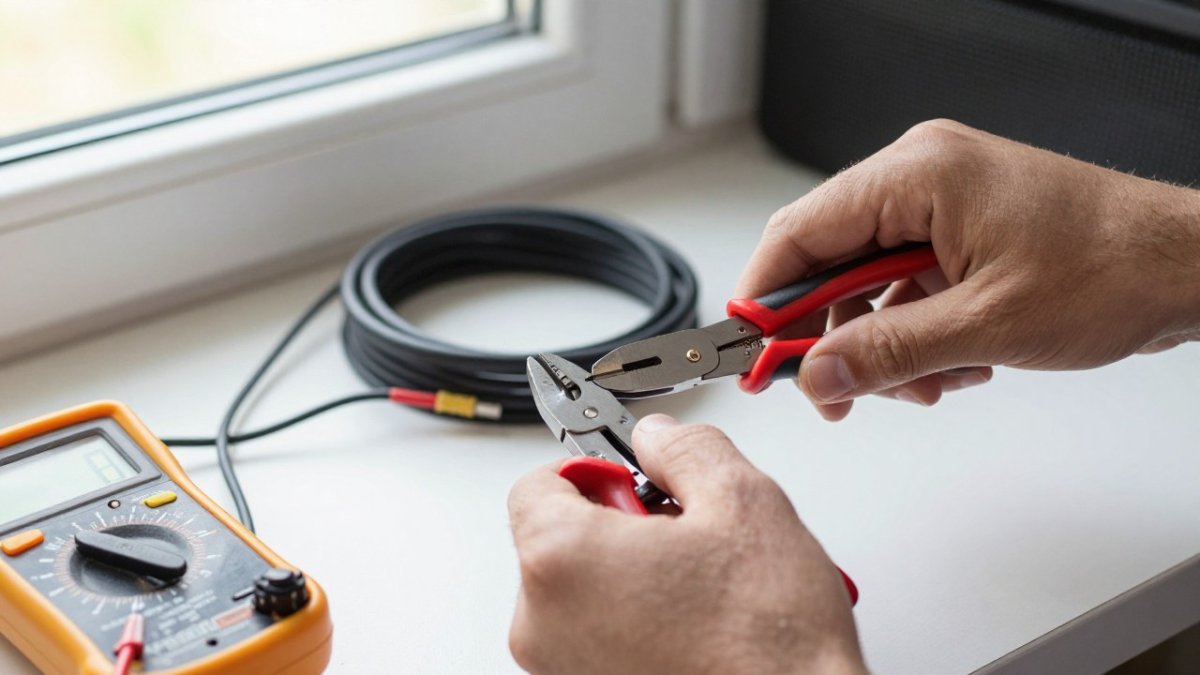
- Isolate and prove dead. Pull the fuse at the distribution board or disconnect the battery negative, then confirm with a multimeter that the circuit you are touching reads 0V. Do not rely on a switch being off.
- Plan the run and size the cable. Measure from the 12V distribution point to each light, allowing slack at both ends. For short interior runs, 1.5mm² twin cable is common; for longer runs or higher-wattage circuits, step up to 2.5mm² to keep voltage drop sensible. A rough guide is to keep total run length and current within the cable's rated capacity, if in doubt, go one size larger.
- Mount the fixtures first. Use the supplied brackets or adhesive pads on a clean, dry surface. For recessed lights, check clearance above the ceiling before cutting.
- Wire the receiver in the right order. Supply positive and negative go to the receiver input, and the light goes to the output. Keep the receiver accessible, behind a cabinet or in a ceiling void you can reach, because you will need the pairing button later.
- Crimp, don't twist. Use proper crimp connectors or solder and heat-shrink every join. Twisted-and-taped joins vibrate loose on corrugated roads.
- Fuse the circuit at the source. Fit an inline fuse rated to the circuit's current draw, placed as close to the supply point as practical. As a starting point, add up the watts of every light on the circuit and divide by 12 to get amps, then choose a fuse slightly above that figure. Never fit a fuse larger than the cable can carry.
- Test before closing up. Power on, pair the remote, and check every mode, on/off, dimming, colour if fitted. Then tug each join gently and re-check.
Watch out: reversing polarity on a 12V LED can destroy the driver instantly. Mark your positive and negative leads before you connect anything, and double-check the receiver's input markings rather than assuming red is positive on both sides.
A common pattern is for a receiver to work on the bench and fail in the van because the supply voltage sags under load or the receiver is mounted where metal blocks the RF signal. Test in the final location, not on the workbench.
If you're kitting out the rest of the van at the same time, our affordable caravan accessories for families pair well with a lighting project.
Power Draw and Battery Runtime: Crunching the Numbers
Runtime comes down to simple arithmetic, but the numbers need to be real ones.
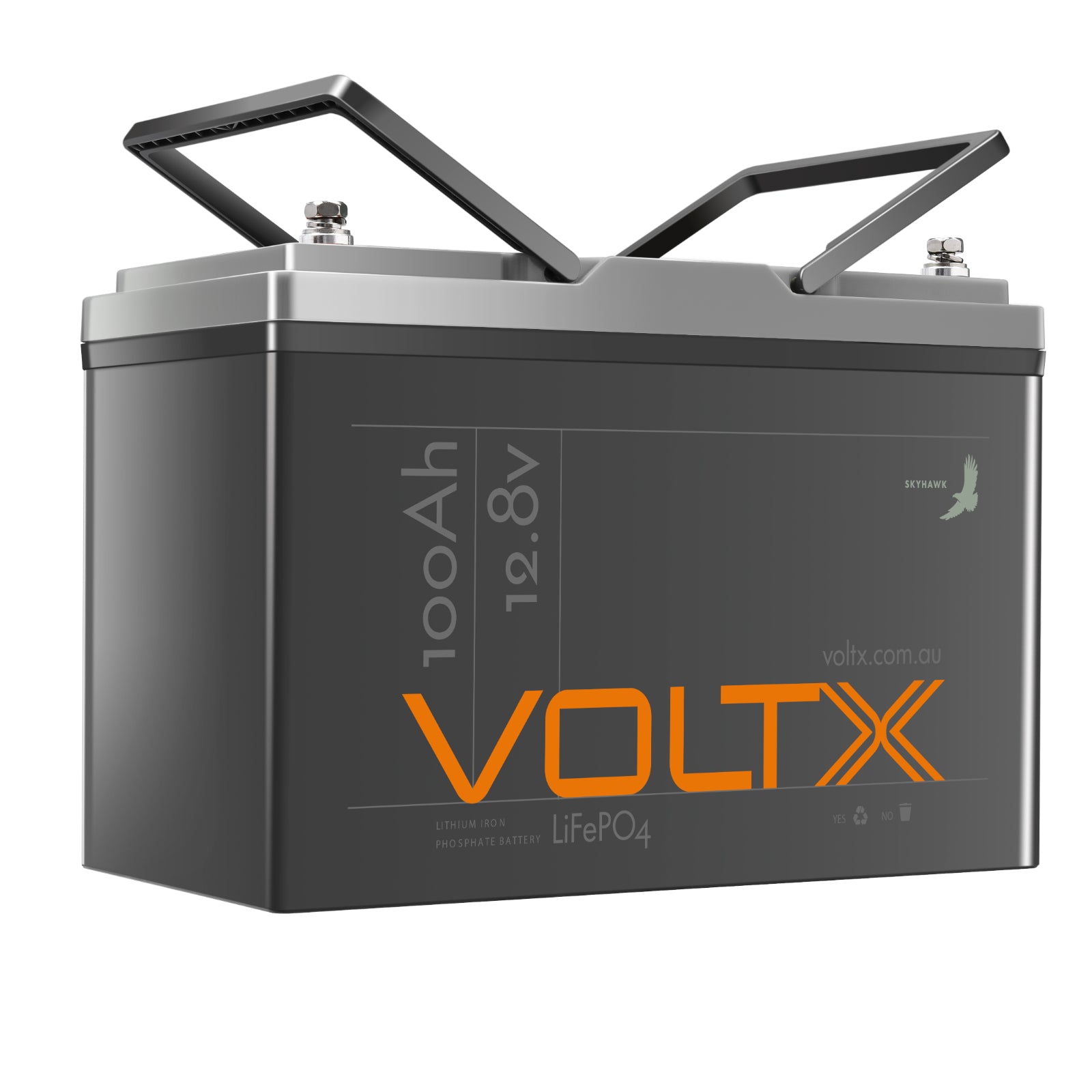
A worked example. Suppose you fit six 3W LED downlights (18W total) plus a 5W awning strip (23W total). At 12V that is about 1.9A. A 100Ah lithium battery has roughly 1,200Wh nominal, and if you treat 80% as usable that is about 960Wh.
Where the maths bites is when lighting shares the battery with everything else. A compressor fridge might draw 40-60W when running, a water pump a few amps intermittently, and a phone charger a few watts.
A few practical rules:
- Compare watts, not lumens alone. A 3W LED downlight and a 5W strip can produce similar usable light; the lower-wattage option wins on runtime.
- RGB costs a little more. Colour-controllable fixtures typically draw slightly more than a fixed warm-white equivalent at the same brightness, so budget for that if you want colour.
- Dimming is the cheapest runtime upgrade. Dropping brightness is the fastest way to extend battery life without buying anything.
- Check the battery's usable capacity, not its label. Lead-acid should not be run below about 50% depth of discharge; lithium typically tolerates deeper discharge, which changes the runtime maths.
Sizing a battery to match your calculated draw is the next step. Our Voltx 12V lithium battery 200Ah suits heavier lighting and appliance loads, while the Voltx 12V lithium battery 100Ah fits a lighter setup.
The runtime maths comes down to a few figures you can check before you buy.
| Item | Value | Note |
|---|---|---|
| Six 3W LED downlights plus 5W awning strip | 23W total | About 1.9A at 12V |
| 100Ah lithium battery | Roughly 1,200Wh nominal | About 960Wh usable at 80% |
| All lights on at full brightness | Roughly 41 hours | 960Wh divided by 23W |
| Lights dimmed to half | Around 80 hours | Draw roughly halves |
| Compressor fridge | 40-60W when running | Lighting roughly a third of load |
| Lead-acid battery | Do not run below about 50% | Depth of discharge limit |
Remote Compatibility and Troubleshooting
Most remote problems trace back to pairing, not faulty hardware. If your remote won't control the lights, work through this:
- Re-pair the remote using the receiver's pairing button, following the manual sequence.
- Check the battery in the handset before assuming the receiver is dead.
- Test range: RF signal weakens through metal van walls, so move closer.
- Confirm frequency match between remote and receiver.
- Inspect the wiring for a loose join at the receiver input.
If you want more caravan gadget ideas to round out the setup, our list of must-have caravan gadgets for long road trips is a good next read.
Shop Remote Controlled LED Lights at Budget Roo
Getting the lighting right comes down to matching voltage, current draw, and control type to how you actually use the van. Remote controlled LED lights for caravans remove the reach-and-fumble of a wall switch, and a matched receiver and remote set makes the whole install painless.
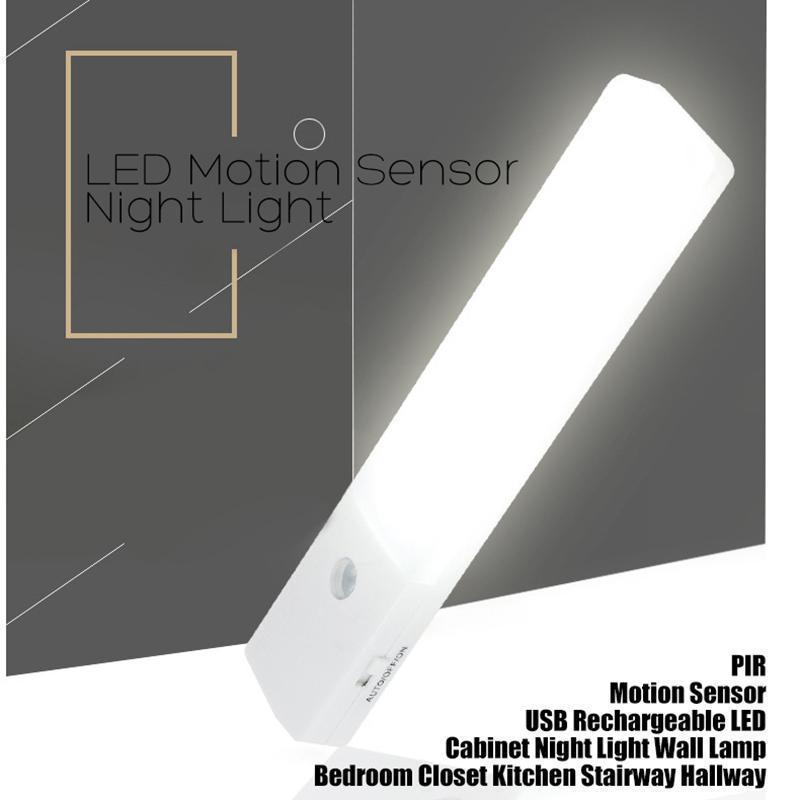
At Budget Roo Pty Ltd, we stock practical caravan gear at prices that leave room for the rest of the trip. Browse our EL608 rechargeable motion sensor light in cool white or warm white for a compact, USB-rechargeable option with motion sensing and a torch mode.
Get started with Budget Roo Pty Ltd and light your van the way you actually camp.
Ready to upgrade your caravan lighting without blowing the budget? We've done the hard yards on specs so you don't have to.
Frequently Asked Questions
Are caravan LED lights usually 12V?
Most caravan lighting runs on 12V DC because that is the voltage of the onboard battery and the tow vehicle's auxiliary supply. Remote controlled LED lights for caravans are built for this 12V DC input, so they connect to standard 12V wiring without a transformer. Check the product listing before buying, because a 240V household LED will not run directly from your caravan battery and needs an inverter.
How much power do 12V LED lights use in a caravan?
A typical 12V LED light draws between 1W and 5W, so a 3W ceiling lamp uses about 0.25A at 12V. Running four of those for five hours a night adds up to roughly 5Ah from your caravan battery. Compare that to an old 10W halogen globe, which pulls nearly 0.85A, and the energy efficiency case for remote controlled LED lights becomes clear. Always size your battery and solar to the total current draw, not just one light.
Can I dim caravan LED lights with a remote?
Yes, provided the remote and receiver are designed for dimming. Many LED dimmers and remotes for caravans offer brightness modes, dual brightness and a night-light setting, while some RGB controllers add colour control. A plain on/off wireless switch will not dim anything, so confirm the listing says dimmable. Also check the receiver's minimum load, because a single low-wattage LED can sometimes sit below the threshold a dimmer needs to operate smoothly.
Are remote-controlled LED lights suitable for caravan awnings?
They can be, as long as the fixture is rated for outdoor use and mounted where water will not pool around the cable entry. Caravan awning lights should have a sealed housing and a weather-resistant connection, not just a remote receiver. Keep the receiver inside the van or in a dry enclosure, run cable through a drip loop, and avoid mounting lights where the awning roller will rub against them. Test the remote range from the annexe before fixing anything permanently.
