

Table of Contents
- Why Pack Weight Matters on the Trail
- Quick Comparison: Budget-Friendly Lightweight Gear
- Essential Lightweight Gear for Hiking Trips: Our Top Picks
- How to Reduce Pack Weight for Hiking: Smart Swaps
- Lightweight Hiking Tent Weight Limits: What to Know
- How to Pack a Hiking Backpack Efficiently
- Common Mistakes That Add Unnecessary Grams
- Conclusion: Build Your Lightweight Kit Gradually
- Frequently Asked Questions
Last Updated: September 6, 2026
Every kilogram you carry on the trail translates directly into energy spent. Choosing lightweight gear isn't about sacrificing comfort; it's about smart selections that balance durability, function, and packability. We've curated gear that helps you achieve this balance without compromising on quality or budget.
Why Pack Weight Matters on the Trail
Pack weight is the single biggest factor influencing your enjoyment on a hike. A heavier load forces your body to work harder, increasing fatigue and the risk of injury, particularly in your knees and lower back. The general rule is that your total pack weight should not exceed roughly 20% of your body weight (the CDC).
This is where the concept of base weight comes in. Base weight refers to the weight of your gear excluding consumables like food, water, and fuel. Ultralight enthusiasts aim for a base weight under 4.5 kilograms, while lightweight hikers typically stay under 9 kilograms (appalachiantrail.org).
Quick Comparison: Budget-Friendly Lightweight Gear
Before we detail our top picks, here is a quick snapshot of how some essential lightweight items compare. This table highlights the core specs that matter for weight-conscious hikers.
| Item | Weight | Capacity | Price | Best For |
|---|---|---|---|---|
| Weisshorn Double Sleeping Bag | Approx. 2.5 kg | 220cm x 150cm (doubles as two singles) | $101.95 | Couples or solo hikers wanting multi-use warmth |
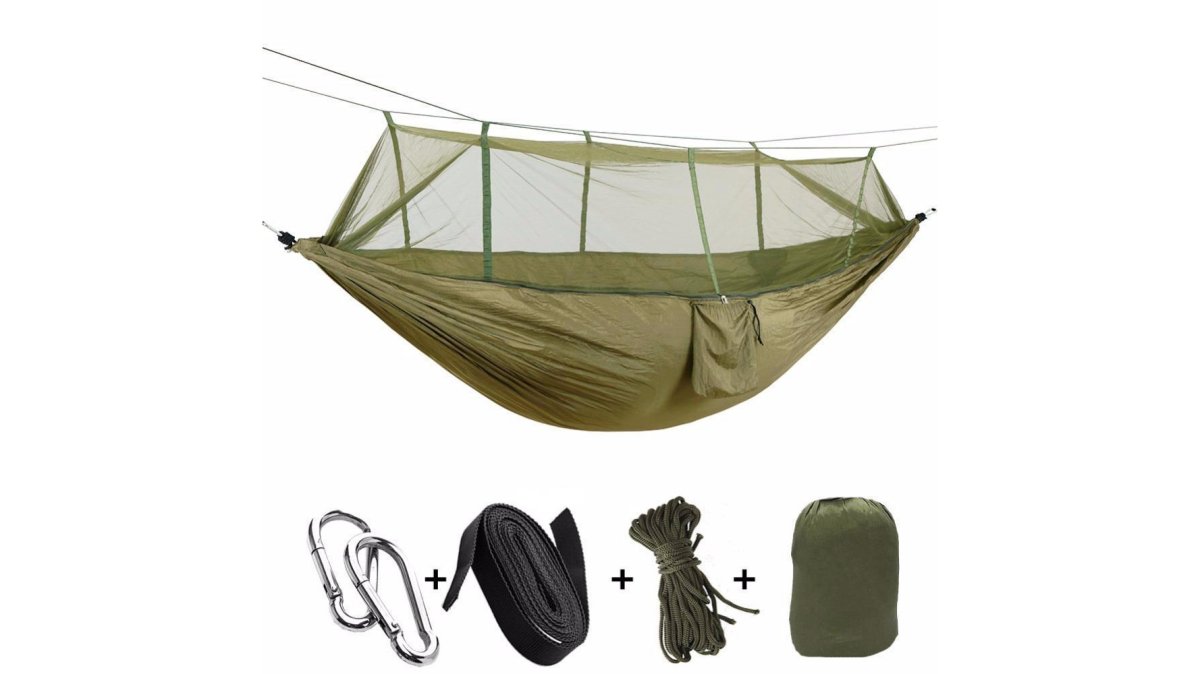
| Camping Hammock with Mosquito Net | 0.7 kg | Up to 200 kg (2 people) | $69.95 | Solo hikers or pairs skipping the tent |
| KILIROO Inflatable Travel Pillow | 84 g | 47cm x 32cm | $14.95 | Adding neck support without the bulk |
| CHOETECH SC004 14W Solar Charger | 360 g | Charges USB devices | $89.95 | Multi-day hikes needing device power |
Essential Lightweight Gear for Hiking Trips: Our Top Picks
The most effective way to reduce pack weight is to focus on the "Big Three": your shelter, sleep system, and backpack. Swapping out a heavy tent for a hammock or a bulky sleeping bag for a compact quilt can save you over a kilogram instantly. Our top picks focus on multi-use items that serve several purposes.

Weisshorn Double Sleeping Bag: Warmth Without the Bulk
Our top pick for a sleep system is the Weisshorn Double Sleeping Bag, available in Navy or Grey. It functions as a sleeping bag, a blanket when fully unzipped, or a mat. Its 300g/m² hollow fibre filling provides insulation for temperatures down to about 5 degrees Celsius (rei.com). It also converts into two single bags for couples on warmer nights.
Camping Hammock with Mosquito Net: Skip the Tent
For solo hikers or pairs, the Camping Hammock with Mosquito Net is a great option for shelter. Weighing just 0.7 kg, it can be a lightweight alternative to a tent. The integrated mosquito net is crucial for Australian conditions, offering protection from mozzie bites. Made from parachute nylon, it's durable, accommodates two people, and packs down small.
How to Reduce Pack Weight for Hiking: Smart Swaps
Reducing pack weight is a game of grams, but a few strategic swaps yield significant results. Start by auditing your gear and identifying heavy, single-use items.
The Overlooked Variable: Gender-Specific Ergonomics
Most lightweight gear guides are written as if all hikers share the same body geometry. A pack that fits a broad-shouldered, long-torsoed person perfectly will be a source of constant discomfort for someone with a shorter torso or narrower shoulders. The most effective strategy is buying gear that fits your body correctly.
- Backpacks: Look for packs with adjustable torso lengths and hip belts that come in multiple sizes. A hip belt that sits on the iliac crest (the top of the hip bone) rather than around the waist is crucial for transferring load to the legs. Many manufacturers now offer women's-specific models with narrower shoulder straps that don't dig into the chest and a more pronounced S-curve in the frame to accommodate a different spinal shape. Trying on a pack with a weighted load in a store is the single best way to determine if the frame geometry works for you.
- Sleeping Bags: A sleeping bag that is too long or too wide for you is dead weight. A bag rated for a 190 cm person will have excess fabric and insulation that a 165 cm person must carry and heat. Many brands offer short or women's-specific lengths that save 200-400 grams while providing better thermal efficiency. A mummy-style bag with a snug fit around the shoulders and feet will always be warmer and lighter than a roomy rectangular bag.
- Footwear: The trend towards heavy, high-cut boots is waning. For most well-defined trails, a lightweight trail runner or a low-cut walking shoe is sufficient and saves up to 500 grams per foot. The key is finding a last (the foot-shaped mould) that matches your foot width and arch height. A shoe that is too narrow will cause blisters, forcing you to carry a heavier first-aid kit and potentially ending your trip early.
The Multi-Use Principle: Beyond the Big Three
While swapping your tent and pack is essential, the most significant gram savings come from applying the multi-use principle to every item in your pack.
- The 'One Pot' Rule: Instead of carrying a pot, a bowl, and a mug, carry a single 750 ml titanium pot with a lid. You can cook in it, eat from it, and drink from it. This saves roughly 200 grams.
- Clothing as a System: Your clothing should be a modular system, not a collection of separate outfits. A single merino wool base layer can be worn for hiking, sleeping, and in camp. Your puffy jacket doubles as your pillow when stuffed into its stuff sack. Your rain jacket serves as a windbreaker and a groundsheet for your pack when you take it off.
- The 'One Knife' Philosophy: A small Swiss Army knife or a lightweight multi-tool replaces a full-sized kitchen knife, a can opener, and a pair of scissors. This is a 150-gram saving.
The 'Stitch in Time' Swap
Before you buy any new piece of gear, ask yourself: 'Can I modify what I already own?' A common pattern is to replace a perfectly good but slightly heavy item with a new ultralight version. A more cost-effective and sustainable approach is to modify the existing item. For example, cutting the excess straps off a backpack, removing the stuff sack and using a lightweight dry bag, or replacing heavy metal buckles with lighter plastic ones can save 100-200 grams without spending a cent.
By focusing on ergonomic fit and the multi-use principle, you make smart swaps that are more effective than simply buying the lightest version of every item.
Lightweight Hiking Tent Weight Limits: What to Know
If you prefer a tent for its all-weather protection, a general guideline is under 2 kilograms for a two-person model. Consider its "trail weight," which includes the tent body, fly, and poles but excludes the stuff sack and footprint.
The trade-off for ultralight tents often comes in durability and space. Tents made with very low denier fabrics are lighter but may not withstand severe weather or rough ground as well as slightly heavier models.
How to Pack a Hiking Backpack Efficiently
How you pack your gear is just as important as what you pack. Efficient packing improves weight distribution, making your load feel lighter and more stable. The goal is to keep heavy items close to your back and centred between your shoulder blades. prevent foot irritation.
- Bottom Layer: Place your sleeping bag, compression sack, and other bulky, lightweight items at the very bottom. They won't shift your centre of gravity and are the last things you need during the day.
- Core Layer: Pack your heaviest items, like water, fuel, and cooking gear, vertically along your spine in the middle of the pack.
- Top Layer: Reserve the top area for items you need quick access to, such as a rain jacket, snacks, and a first-aid kit.
- Pockets: Utilise the lid and side pockets for small, frequently used items like a map, compass, sunscreen, or a water bottle.
Common Mistakes That Add Unnecessary Grams
Beyond the usual advice about packing too many shirts, the most significant weight creep comes from a failure to maintain and repair the gear you already own. A worn-out item that fails on day two of a seven-day trek forces you to carry a replacement or improvise with heavier alternatives.
The Field Repair Kit: Your Insurance Against Forced Upgrades
A common pattern among seasoned walkers is carrying a dedicated repair kit that weighs under 100 grams. This small investment prevents a minor issue from becoming a reason to carry a heavy backup item. A practical kit includes:
- Tenacious Tape or a similar ripstop patch: For repairing tears in tent floors, flysheets, and down jackets. A 5 cm strip can extend the life of a shelter by years.
- A small tube of seam sealer: Critical for re-waterproofing tent seams and fixing leaks in dry bags. This is especially relevant in the Australian alpine regions where afternoon storms are a regular occurrence.
- A needle and heavy-duty thread: For reattaching backpack straps, repairing buckles, or stitching a torn stuff sack. A simple sail-maker's needle and 1 metre of waxed thread weigh less than 15 grams.
- A multi-tool with pliers: For bending buckles back into shape or extracting a broken zipper slider. The pliers function is far more useful than a knife blade for gear repair.
- A few cable ties: These are the universal field fix. They can temporarily secure a broken pole, hold a pack frame together, or even replace a broken boot lace.
The False Economy of 'Disposable' Ultralight Gear
A frequent error is purchasing the absolute lightest version of an item without considering its repairability. A 300-gram tent made from 10-denier fabric might save 400 grams, but if it requires a footprint (adding 150 grams) and tears on the first rocky campsite, you have created a liability. A 15-denier or 20-denier fabric can offer a good balance of weight and durability.
Climate-Specific Optimisation: The Mistake of One-Size-Fits-All Kits
Another overlooked mistake is failing to adjust your gear list for the specific climate of your hike. A kit optimised for the dry, cool conditions of the Tasmanian highlands will be dangerously inadequate for the humid, tropical rainforests of Far North Queensland.
- Humid and Tropical Environments: The primary weight enemy here is condensation and moisture. A double-wall tent with good ventilation is worth its extra weight compared to a single-wall shelter that will leave you and your gear soaked from internal condensation. Similarly, a down sleeping bag loses almost all its insulating properties when wet; a synthetic fill bag, while slightly heavier, is a safer choice. Your repair kit should include a dedicated seam sealer for your rain cover, as humidity accelerates wear on waterproof coatings.
- Alpine and Arid Environments: The focus shifts to temperature variability and sun protection. A lighter sleeping bag might suffice for summer, but you must carry a robust layering system. The critical repair item here is for your water bladder or bottles, a pinhole leak in an arid zone can be catastrophic. A small patch kit for your hydration reservoir is an essential, often-forgotten item.
By focusing on maintaining, repairing, and climate-matching your gear, you avoid the most common and costly mistakes that add both grams and risk to your hike.
Conclusion: Build Your Lightweight Kit Gradually
Building the perfect lightweight kit is a gradual process of refinement, not an overnight overhaul. Start by targeting the heaviest items in your pack, like your shelter and sleep system, and look for multi-use replacements.
Ready to lighten your load? Explore the range of compact sleeping bags, hammocks, and solar chargers at Budget Roo to find the perfect balance of weight, comfort, and value for your next adventure. Get started with Budget Roo and make your next hike your most comfortable one yet.
Frequently Asked Questions
What is a good base weight for lightweight hiking?
For most hikers, a base weight of 9 kg or less is a solid target for lightweight hiking. This figure excludes consumables like food, water, and fuel. If you are new to this, start by tracking what you carry and aim to shave off 2-3 kg through the gear swaps we have outlined. Even small changes, like choosing a lighter sleeping bag, make a noticeable difference on the trail.
Is ultralight gear worth the extra cost?
Often, you pay a significant premium for the last few hundred grams. For casual hikers, mid-weight gear offers the best balance of durability, comfort, and price. Look for multi-use items that save weight without sacrificing reliability. A quality 5-degree sleeping bag that can unzip into a blanket replaces three separate items, which is better value than a fragile, high-cost ultralight option.
How much weight can a hammock save compared to a tent?
A two-person camping hammock with an integrated mosquito net weighs around 0.7 kg. Traditional two-person tents often weigh between 2 kg and 3 kg. Choosing a hammock can offer a significant weight reduction, especially if you are hiking in warm weather where a tent's enclosed shelter is less critical.
What are the essential items for a lightweight hiking kit?
Focus on the Big Three: shelter, sleep system, and your backpack. Then add a stove, water filtration, and a basic first-aid kit. Weigh every item and leave behind duplicates. For example, a multi-functional sleeping bag that converts to a blanket can help reduce the need for extra camp layers. Keep your clothing to a single set worn and one set packed.