

Last Updated: October 23, 2026
Quick Summary
The best fishing lures bream in Australian rivers include soft plastic grubs for reliability, surface poppers for aggressive bites, pencil minnows for topwater action, and metal spoons for distance casting and deeper water. Soft plastic grubs dominate for consistent catches across varying conditions, while hard-body lures excel when bream are actively hunting.
- Soft plastic grubs at 0.4g work consistently across different water conditions and mimic natural prey bream feed on daily
- Surface poppers work best during low-light periods in slow-moving pools and areas behind submerged logs
- Metal spoons come in 6g for shallow to medium depths and 10g for deeper water and faster current
- Match lure colour to water clarity: natural tones in clear water, bright colours like chartreuse in stained water
- Use a light to medium-light spinning rod measuring 1.8 to 2.1 metres with braided main line and fluorocarbon leader
Table of Contents
- Quick Comparison: Top 5 Bream Fishing Lures
- 1. Soft Plastic Grubs: The Reliable Workhorse for Bream
- 2. Surface Poppers: Creating Commotion for Aggressive Bites
- 3. Pencil Minnows: Topwater Action That Bream Cannot Resist
- 4. Metal Spoons: Casting Distance and Flash for Deeper Water
- How to Catch Bream on Lures: Technique and Presentation
- Best Lure Colours for Bream in Different Water Conditions
- Tackle Setup for Lure Fishing Bream
- Frequently Asked Questions
Quick Comparison: Top 5 Bream Fishing Lures
Choosing the right fishing lures bream requires understanding what works in river conditions. Not all lures perform equally, and the best choice depends on water clarity, depth, and the bream's feeding mood. Below is a quick reference table comparing the five most effective options for Australian river bream fishing.
| Lure Type | Best For | Water Depth | Key Advantage | Price |
|---|---|---|---|---|
| Soft Plastic Grubs | Beginners and consistent catches | Shallow to medium | Reliable, versatile, easy to rig | $9.95 |
| Surface Poppers | Aggressive bites, active fish | Surface to 1m | High-energy action, visual appeal | $35.90 |
| Pencil Minnows | Topwater strikes, active feeding | Surface | Realistic swimming action | $99.95 |
| Metal Spoons (6g) | Distance casting, shallow rivers | Shallow to 2m | Flash and vibration, budget-friendly | $35.95 |
| Metal Spoons (10g) | Deeper water, faster current | 2m+ | Sinks faster, covers more ground | $49.95 |
The right fishing lures bream choice comes down to matching the lure to river conditions and fish behaviour. Soft plastics dominate for reliability, while hard-body lures excel when bream are actively hunting.
1. Soft Plastic Grubs: The Reliable Workhorse for Bream
Soft plastic grubs are the foundation of effective bream lure fishing. They work consistently across different water conditions because they mimic natural prey and move with subtle, enticing action. The maggot Grub Soft Lure Baits Fishing Lures at Budget Roo Pty Ltd come in mixed colours and weigh just 0.4g, making them ideal for river fishing where precision matters.

Why grubs outperform other soft plastics
Grubs succeed where other soft plastics sometimes fail because their body shape creates natural vibration without excessive movement. The tapered tail generates just enough action to trigger strikes without spooking cautious bream.
River bream respond to grubs because the profile matches small aquatic insects, crustaceans, and juvenile fish they feed on daily. The fishy smell coating on our grubs adds a chemical trigger that increases bite rates, especially in stained water where visibility is limited.
Rigging and jighead selection
Rigging soft plastic grubs correctly makes the difference between consistent catches and frustration. The standard approach uses a jighead with a hook size matched to the grub.
Weight selection depends on river depth and current. Lighter jigheads (1-2g) suit shallow rivers and slow-moving sections. Heavier heads (3-5g) help you reach deeper pools and hold bottom in faster current.
Thread the jighead through the grub's nose and push it down the body until the hook eye sits flush. This rigging keeps the grub aligned properly and prevents twisting during retrieves.
2. Surface Poppers: Creating Commotion for Aggressive Bites
Surface poppers create disturbance and noise that attracts aggressive bream in active feeding periods. The 6X 3.5cm Popper Poppers Fishing Hard Lure Lures Surface Tackle Fresh Saltwater feature a durable ABS hard plastic body with sharp treble hooks and internal steel balls that aid casting distance. At 2.7g with a #10 hook size, these poppers deliver the right balance of splash and control.

When to use poppers on river bream
Poppers work best during low-light periods: early morning, late afternoon, and overcast days. Bream become more aggressive when light levels drop, and the surface commotion from a popper triggers instinctive strikes.
Use poppers in areas with minimal current. Slow-moving pools, bends in rivers, and areas behind submerged logs are prime popper territory. The lure needs time to create proper surface action, which fast current disrupts. A steady, rhythmic pop-pause-pop retrieve works better than continuous popping, giving bream time to locate and strike the lure.
3. Pencil Minnows: Topwater Action That Bream Cannot Resist
Pencil minnows deliver realistic topwater swimming action that mimics injured baitfish fleeing through the water column. The 8x Pencil minnow 4.8cm Fishing Lure Lures Surface Tackle Fresh Saltwater come as a pack of eight lures in different colours, each weighing 3.24g.

Pencil minnows excel in rivers with moderate current and clear water. Their slender profile and realistic movement convince bream they're chasing real prey. Unlike poppers that create noise, pencil minnows work through subtle side-to-side action that bream find harder to resist.
The retrieve matters with pencil minnows. A slow, steady twitch creates the classic walking-the-dog action. Pause occasionally to let the lure sit, then resume twitching. This stop-start pattern triggers strikes from bream that hesitate during continuous movement.
4. Metal Spoons: Casting Distance and Flash for Deeper Water
Metal spoons combine flash, vibration, and casting distance into a single effective lure. Budget Roo Pty Ltd stocks two weights: the 4x 6g Metal Spoon Fishing Hard Lure Spinner Spoon Baits for shallow to medium depths, and the 4x 10g Metal Spoon Fishing Hard Lure Spinner Spoon Baits for deeper water and stronger current.
The 6g spoon reaches 7.5cm in length and suits rivers where you need to cover ground without sinking too deep. The 10g version measures 6.5cm and sinks faster, making it ideal for deeper pools or faster-flowing sections.
Spoons work by mimicking fleeing baitfish through flash and vibration. As the spoon wobbles through the water, light reflects off its metallic surface, creating the illusion of an injured fish.
Cast spoons across current and retrieve steadily, allowing the lure's natural action to do the work. You don't need aggressive jerking with spoons, a smooth retrieve activates their built-in wobble.
How to Catch Bream on Lures: Technique and Presentation
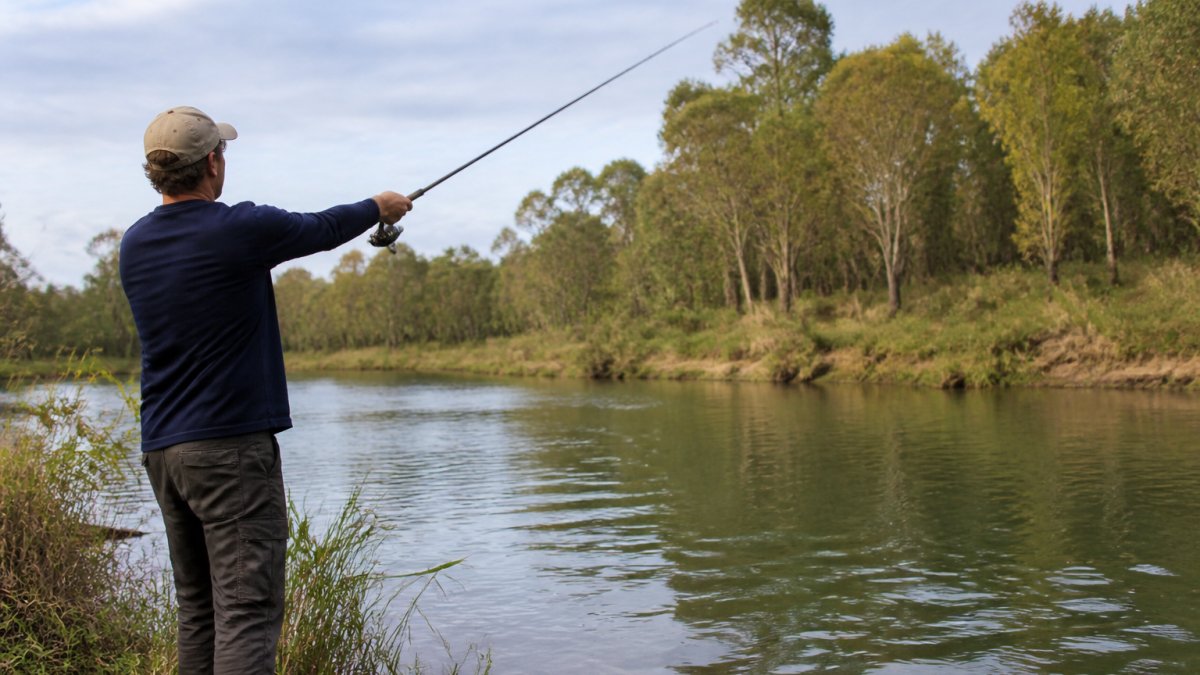
Catching bream on lures depends on matching your technique to river conditions and fish behaviour. The fundamentals remain consistent: accurate casting, controlled retrieves, and patience. However, small adjustments based on water clarity, depth, and current make the difference between occasional strikes and consistent success.
Retrieve patterns that trigger strikes
Different retrieves activate different lures and trigger different feeding responses. Grubs work best with a lift-and-drop retrieve: cast, let the lure settle to the riverbed, then lift smoothly and pause.
maggot Grub Soft Lure Baits Fishing Lures →
Poppers and pencil minnows respond to rhythmic twitching. Cast near likely bream habitat, river bends, overhanging trees, submerged logs, and work the lure with short, sharp twitches. Pause between twitches to let the lure sit momentarily.
Metal spoons require a steady, medium-speed retrieve. Cast and maintain consistent speed without jerking. The spoon's built-in wobble does the work; aggressive manipulation actually reduces effectiveness.
Casting accuracy and river edges
Precision casting matters more than distance. Bream congregate along river edges where current breaks, around submerged structure, and in deeper pools. Casting directly into these zones, rather than casting long distances into open water, increases strike rates dramatically.
Target the inside bends of rivers where current slows and sediment deposits create shallow feeding zones. Cast parallel to the bank, working your lure along the edge where water depth changes.
Submerged logs, rocks, and root systems are prime bream habitat. Cast your lure slightly upstream or to the side of structure, allowing it to drift or swim past the obstruction.
Best Lure Colours for Bream in Different Water Conditions
Water clarity dramatically influences lure colour effectiveness. Understanding this relationship helps you select colours that match your river's specific conditions, increasing visibility and attraction.
Clear water versus stained water strategies
In clear water, bream rely heavily on sight to locate prey. Natural colours that mimic real baitfish, pearl, silver, white, and natural brown tones, work best. These colours blend with the riverbed and surrounding environment, reducing suspicion while maintaining visibility.
Stained water reduces visibility, so brighter colours become essential. Chartreuse, orange, red, and black increase visibility in murky conditions. These high-contrast colours help bream locate your lure despite reduced light penetration.
Water colour varies seasonally and by location. After rain, rivers turn stained brown as sediment enters the system. During dry periods, water clears. Adjust your colour selection accordingly.
Tackle Setup for Lure Fishing Bream
Proper tackle setup forms the foundation of successful bream lure fishing. The rod, reel, line, and leader work together to deliver accuracy, detect strikes, and land fish reliably.
Rod, reel, and line selection
A light to medium-light spinning rod measuring 1.8 to 2.1 metres suits river bream lure fishing perfectly. This length provides accuracy for short to medium casts while maintaining sensitivity to feel strikes and bottom contact.
Match your reel to the rod. A 2000 to 2500 size spinning reel holds sufficient line and retrieves at a pace suited to lure work.
Line selection depends on water clarity and snag risk. Braided main line offers superior sensitivity and casting distance compared to monofilament.
Leader and main line combinations
A fluorocarbon leader bridges the gap between braid's advantages and visibility concerns. Fluorocarbon is nearly invisible underwater while providing abrasion resistance against rocks and riverbed snags.
Connect braid to fluorocarbon using a reliable knot, the improved clinch knot or Palomar knot both work. Test your knot strength before fishing; a failed knot costs fish and lures.
Australian Fishing Handbook on line selection provides guidance on line choices for local species.
Selecting the right fishing lures bream and mastering their presentation transforms your river fishing success.
Frequently Asked Questions
What lures work best for bream in rivers?
Soft plastic grubs, surface poppers, pencil minnows, and metal spoons all catch bream effectively in rivers. Grubs excel in deeper sections and near snags, while poppers and pencil minnows work well in shallow water and over weed beds. Metal spoons are ideal when you need casting distance in wider sections. The best choice depends on water depth, current strength, and bream activity levels.
What size soft plastic is best for bream?
Soft plastics between 2 and 4 centimetres are ideal for river bream. The maggot grub soft lures at 2 centimetres work well for smaller bream and in clear water conditions. Slightly larger profiles help in turbid water or when targeting bigger bream. Match the size to the natural prey in your river: smaller grubs mimic insect larvae, whilst slightly larger options resemble small fish.
How do you fish soft plastics for river bream?
Rig soft plastics on a jighead appropriate to water depth and current: lighter heads (0.4-1 gram) in shallow sections, heavier heads (2-4 grams) in deeper runs. Cast upstream or across current and let the lure drift and hop along the bottom. Use a slow, steady retrieve with occasional pauses to trigger bites. Work river edges, drop-offs, and areas with structure where bream shelter.
What colour lure is best for bream in clear water?
In clear water, natural colours like silver, pearl, and translucent greens mimic real baitfish and insect larvae more effectively. Avoid bright, unnatural colours that spook cautious bream. In stained or turbid water, darker colours like black, brown, and chartreuse provide better visibility and contrast. Experiment with colour changes throughout the session to find what bream are responding to on the day.
