

Table of Contents
- What Makes a Heavy-Duty Camping Tent
- Waterproof Camping Tent Standards: Hydrostatic Head and Seam Sealing
- Durable Camping Tent Materials and Frame Construction
- Large Family Camping Tent Options and Sleeping Capacity
- Camping Tent Size Guide: Choosing the Right Dimensions
- Setup, Portability, and Real-World Performance
- Frequently Asked Questions
Last Updated: October 8, 2026
What Makes a Heavy-Duty Camping Tent
A heavy-duty camping tent withstands harsh weather, rough terrain, and repeated use. It differs from a standard recreational tent in material thickness, frame strength, and seam construction.
Heavy-duty tents use thicker fabric with higher denier ratings, typically 190T polyester or stronger. Frames use steel or reinforced fibreglass rather than lightweight aluminium for wind and snow stability, and seams are factory-sealed and reinforced with extra stitching.
At Budget Roo, we stock heavy-duty camping tents designed for families and outdoor enthusiasts who need gear that performs in real conditions. Our Weisshorn range combines durable 190T polyester construction with steel poles and sealed seams, delivering weather resistance without the premium price tag.

Waterproof Camping Tent Standards: Hydrostatic Head and Seam Sealing
Waterproofing is measured by two standards: hydrostatic head rating and seam sealing quality.
Hydrostatic head measures the water column height a fabric withstands before water penetrates. A 3000mm rating, common in heavy-duty tents like our Weisshorn models, resists pressure equivalent to a 3-metre column.
Seam sealing is equally critical: even waterproof fabric fails if water enters through stitched seams.
The Weisshorn 6-person camping tent pairs a 3000mm PU-coated polyester rainfly with sealed seams throughout, keeping water out during sustained rain.
How to Verify Waterproofing Before You Buy
Headline ratings only matter if the tent performs to them. These checks separate genuine heavy-duty waterproofing from marketing claims:
- Read the label on each surface. A tent may quote 3000mm for the rainfly but only 1000mm for the floor. The floor is where most leaks start, because it sits against damp ground and takes the weight of sleepers.
- Inspect the seam tape. Factory taping should run continuously along every seam, with no lifting edges or gaps. Run a fingernail along the tape, if it peels, the seal is already failing.
- Check the floor construction. Look for a bathtub-style floor where the waterproof material curves up the wall by 10-15cm before the seam, stopping water wicking in from wet ground.
- Look at the zipper flaps. Rain can drive sideways into a zipper. Quality tents cover zippers with a storm flap and often use water-resistant zippers on the main door.
- Confirm the coating type. PU (polyurethane) coatings are common and effective but can degrade with UV exposure and humid storage. Silicone coatings last longer but cost more and can be harder to re-tape.
Field Testing and Re-Proofing
You don't need lab equipment to test waterproofing. Pitch the tent, hose the rainfly and floor for several minutes, then check inside for damp patches along seams, corners, and the floor edge. Repeat after a few hours of sustained spray to mimic a long downpour.
Even well-made tents lose water resistance as UV breaks down coatings and packing abrades the floor. Re-proofing is part of heavy-duty ownership:
- Reapply seam sealer to any seam that shows water ingress. Most manufacturers sell a compatible sealer; using the wrong type can damage the existing tape.
- Re-treat the rainfly with a spray-on or wash-in DWR (durable water repellent) product when water stops beading and starts soaking in.
- Patch floor abrasions with a repair patch before they become holes. A small patch costs far less than a new tent.
Real-world performance depends on pitch: even excellent waterproofing fails in a depression where water pools. Choose a slightly elevated site with good drainage, tension the rainfly so it doesn't touch the inner tent (contact points wick water through), and keep guy lines taut so the fly sheds water rather than sagging into puddles.
Durable Camping Tent Materials and Frame Construction
Materials determine how long your tent survives repeated trips. Heavy-duty camping tents use fabrics and frame systems built for longevity, but durability is also about which parts fail first, whether they can be repaired, and what it costs to keep the tent in service. Understanding the principles of military-grade material durability provides a clearer perspective on why certain structural reinforcements remain functional long after lighter components have succumbed to the elements.
Fabric: Denier, Coating, and What Actually Fails
Polyester at 190T denier is the standard for durable camping tents. Denier measures yarn thickness; higher denier means thicker, stronger fabric. 190T polyester with PU coating combines water and tear resistance, and resists UV damage if you leave the tent pitched or store it in sunlight.
But denier is only one number.
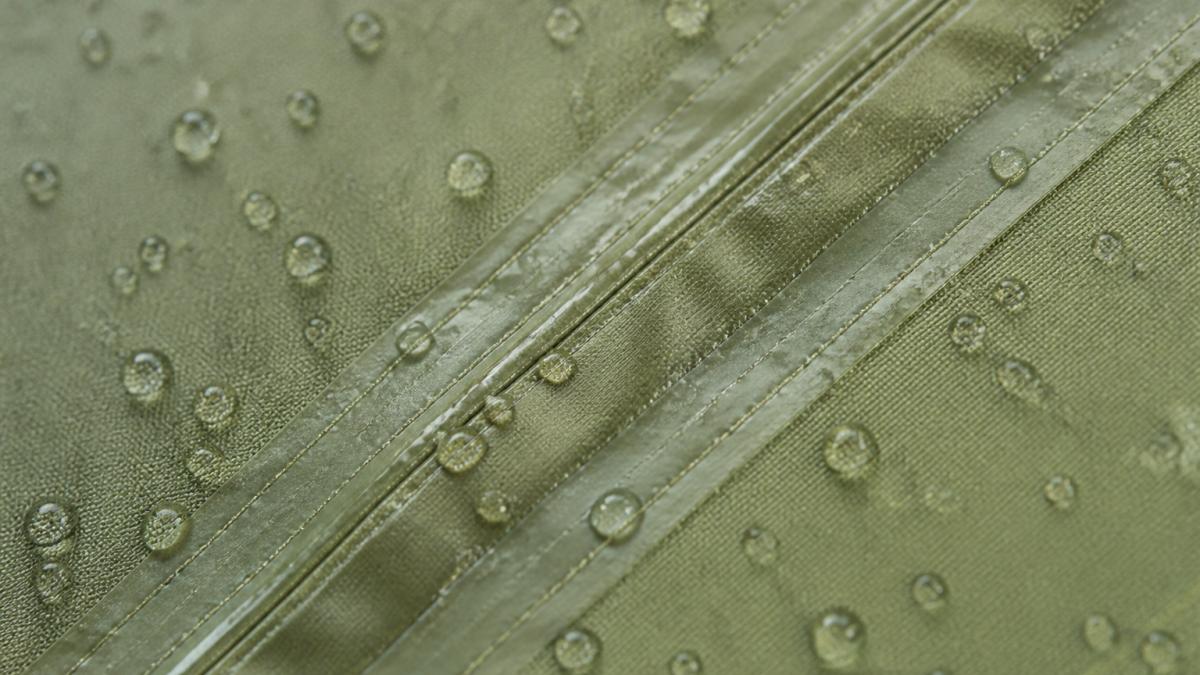
When fabric fails, it usually fails in one of four places:
- Seams, where stitching perforates the coating and creates a path for water.
- Pole sleeves and stress points, where fabric rubs against poles and thins over time.
- The floor, where abrasion from ground contact and foot traffic wears through the coating.
- UV-exposed panels, where the coating breaks down and the fabric becomes brittle.
Frame Materials: Steel, Fibreglass, and Aluminium Compared
Frame materials matter as much as fabric. Steel poles offer superior rigidity and wind resistance; they're heavier, but for a family tent that stays put for days, the stability is worth it.
Each material has a characteristic failure mode:
- Steel bends rather than shatters, and a bent pole can often be straightened in the field. The trade-off is weight and rust risk if the coating is scratched.
- Fibreglass splits and splinters, and a split section usually needs replacement rather than repair. It is lighter and does not rust.
- Aluminium is lightest and resists corrosion, but thin-walled aluminium poles can kink permanently under sudden load.
The Weisshorn 4-person camping tent uses a cross-pole roof design with fibreglass poles, distributing weight evenly and adding headroom. Its sewn-in PE groundsheet with elevated seams stops water wicking up from damp ground, and reinforced stress points prevent tearing under tension.

Repairability: What You Can Fix and What You Cannot
A heavy-duty tent is only as good as its repairability. Before buying, check whether the manufacturer sells replacement poles, pole sections, and guy lines. A tent with proprietary, non-replaceable poles becomes disposable the first time a pole breaks.
Practical repairability checks:
- Pole sections. Most quality tents use shock-corded poles where individual sections can be replaced. If the poles are one-piece or sealed, a single break means a new pole set.
- Zippers. Zippers are a common failure point. Check whether the tent uses standard-size zippers that a repair shop can replace, or proprietary zippers that require factory service.
- Fabric patches. Any tent can be patched, but patches adhere better to clean, coated fabric than to worn or silicone-treated surfaces.
- Guy line and stake points. Reinforced webbing loops last longer than fabric loops and are easier to repair if they tear.
Long-Term Ownership Costs
Purchase price is only part of the cost. Over a 5-10 year service life, owners typically spend more on:
Weisshorn Camping Tent 6 Person Tents Family Hiking Dome →
- Seam sealer and DWR re-treatment, applied every season or two depending on UV exposure.
- Replacement poles or pole sections, especially after a storm or an accidental bend.
- Replacement pegs and guy lines, which are lost or bent more often than most campers expect.
- Repair patches and zipper lubricant, small costs that extend the life of the tent significantly.
A tent that costs more upfront but has replaceable parts and widely available accessories often costs less per year than a cheap tent replaced entirely after two seasons. When comparing heavy-duty tents, ask what replacement parts are available and at what cost, that's the real durability question.
Lifespan depends on material quality and maintenance. Storing the tent dry, cool, and out of direct sunlight extends fabric life by years; inspect seams annually and reapply sealer if water seeps. Most heavy-duty tents last 5-10 years of regular use when maintained.
Large Family Camping Tent Options and Sleeping Capacity
Sleeping capacity usually means how many people fit lying down, not how comfortably they sleep. For families, usable space matters more than the stated number.
A 6-person heavy-duty camping tent typically measures around 4m × 3m, roughly 12 square metres of floor space.
A 4-person tent suits couples or small families. The Weisshorn 4-person model measures 255cm × 253cm, ideal for weekend trips where you mostly sleep and cook outside.
Ventilation is critical in larger tents: mesh windows and a covered entrance reduce condensation that dampens sleeping bags and gear. Weisshorn models feature mesh panels and cross-ventilation to manage moisture in cool conditions.
Camping Tent Size Guide: Choosing the Right Dimensions
Tent dimensions determine comfort, setup ease, and packability. For heavy-duty camping tents, the trade-off is interior space versus portability.
Floor area drives usable space. Multiply length × width for square metres: a 6-person tent typically offers 10-15 square metres, a 4-person tent 5-8.
Headroom affects how you move inside. Most family tents offer 180-200cm peak height: at 200cm you sit upright comfortably, at 180cm you're stooped.
Vestibule space is the covered area outside the sleeping quarters for boots, backpacks, and cooking gear.
Packed size matters for car transport.
| Tent Model | Floor Dimensions | Capacity | Headroom | Packed Size | Best For |
|---|---|---|---|---|---|
| Weisshorn 4-Person | 255 × 253cm | 4 persons | 193cm | 60 × 18 × 18cm | Couples, small families, weekend trips |
| Weisshorn Instant Pop-Up 5-Person | 302 × 210cm | 4-5 persons | 138cm | Φ101cm | Quick setup, car camping, families |
| Weisshorn 6-Person | 405 × 310cm | 6 persons | 200cm | 63 × 23 × 23cm | Larger families, extended trips |
Setup, Portability, and Real-World Performance
Setup speed matters when weather deteriorates or you arrive after dark. Heavy-duty camping tents vary significantly.

Pop-up tents eliminate assembly: the Weisshorn Instant Up 5-person tent deploys in under a minute.
Pack-down speed matters equally: a tent that takes 10 minutes to assemble should take 10 minutes to pack.
Real-world performance depends on conditions and site selection.
Weisshorn models include ropes and pegs, but quality metal stakes and guy line tensioners improve stability significantly. Budget Roo stocks these accessories alongside our tent range, letting you assemble a complete setup for your conditions.
Choosing a heavy-duty camping tent means prioritising durability, weather protection, and real-world performance over lightweight design.
Frequently Asked Questions
What makes a camping tent heavy-duty?
A heavy-duty camping tent combines three core elements: high-denier fabric (typically 190T polyester or higher), reinforced seams with sealed stitching, and a sturdy frame made from steel or fibreglass poles. The fabric must have a waterproof rating of at least 3000mm hydrostatic head on the tent body. Reinforced corners, elevated seams on the groundsheet, and double-layer fabric construction add durability. These features work together to resist wind, rain, and UV damage over multiple seasons.
How do I choose a waterproof camping tent?
Check the hydrostatic head rating: the tent body should withstand at least 3000mm of water pressure. Look for sealed seams throughout, particularly at stress points where poles connect. Double-layer fabric construction with a rainfly provides better protection than single-layer designs. Verify that guy lines and stakes are included, as these anchor the tent properly in wind and rain. Test the tent in wet conditions before relying on it for serious camping trips.
What size tent do I need for my family?
Allow 1.8 to 2.4 square metres per person for comfortable sleeping. A 4-person tent typically measures around 2.5 by 2.5 metres; a 6-person tent around 4 by 3 metres. Interior height matters too: at least 1.8 metres headroom lets you sit up and move freely. Consider vestibule space for gear storage. If you camp frequently or have children, choose a tent one size larger than your headcount, extra room reduces condensation and improves comfort on longer trips.
Are polyester tents as durable as canvas?
Modern polyester tents with ripstop fabric and high-denier ratings (190T or above) are highly durable and more practical for most camping. Polyester is lighter, packs smaller, resists UV better with proper coating, and costs less. Canvas tents are heavier, take longer to dry, and require more maintenance. For heavy-duty camping in variable weather, a quality polyester tent with reinforced seams and a high hydrostatic head rating performs reliably without the weight penalty.